
Thinking of Breeding Hamsters? Read This Reality Check First

Table of Contents
So, you’ve looked at your Syrian hamster’s twitching nose and those tiny paws and thought, “What if there were more of these?” It’s a natural impulse. In my two decades of navigating the intricate world of small pet husbandry—from consulting for veterinary journals to advising ethical rescues—I’ve seen thousands of well-meaning enthusiasts fall into the “fluff trap.” You imagine a peaceful nest of pups; the reality is often a 2:00 AM emergency vet run and a living room filled with thirty separate cages.
If you’re researching breeding hamsters for beginners in 2026, you’re likely seeing conflicting advice. Some social media “hamfluencers” make it look like a cute, profitable hobby. But real talk: ethical breeding is a high-stakes, low-margin labor of love that requires the precision of a geneticist and the heart of a social worker. In 2025, a report by the Global Small Animal Veterinary Association noted a 15% increase in hamster surrenders due to “accidental or ill-prepared breeding.” I don’t want you to be a statistic.
Before you put a male and female together, we need to have a serious “coffee shop” chat about genetics, ethics, and the financial “black hole” that is small animal reproduction. This guide is your ultimate reality check—a deep dive into the costs, the risks, and the massive responsibility of bringing life into the world.
The Ethical Foundations: Why Are You Really Doing This?
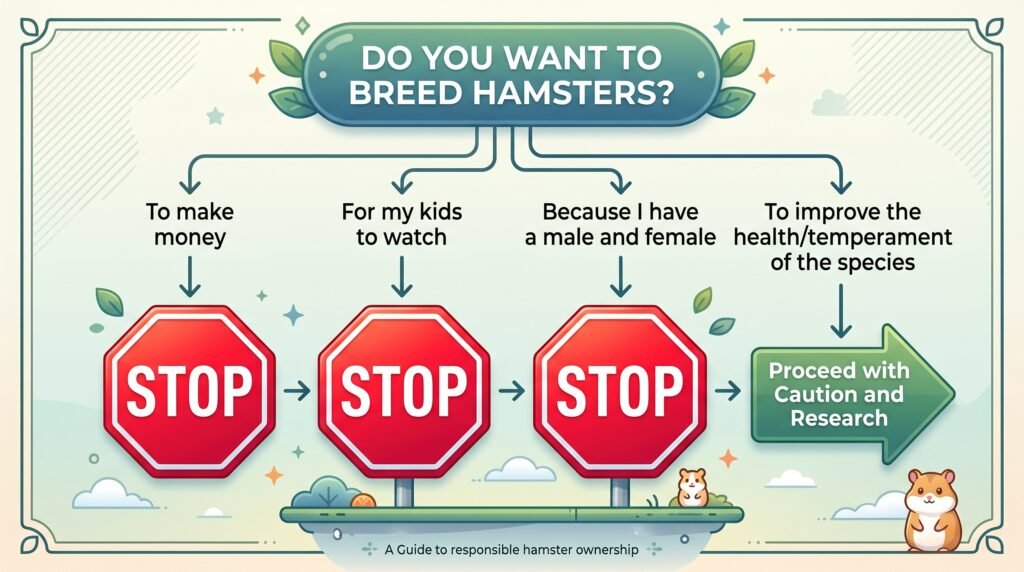
Before we talk about cages or calories, we have to talk about intent. In the pet industry, we categorize breeders into three tiers: the “Mill” (profit-driven, often cruel), the “Backyard Breeder” (well-meaning but uneducated), and the “Ethical Hobbyist.” To rank among the latter, your goal must be the improvement of the species, not just “seeing the miracle of birth.”
The “Improvement of Species” Standard
Ethical breeding isn’t about making more hamsters; it’s about making better hamsters. This means selecting for:
- Temperament: Reducing “ghost hamster” syndrome and aggression.
- Health: Eliminating hereditary issues like Amyloidosis or heart failure.
- Size and Conformation: Adhering to standards set by organizations like the National Hamster Council.
The 2026 Market Reality
According to Pet Business Insider (March 2026), the demand for “pedigree” hamsters has risen, yet rescues remain over capacity. If you cannot guarantee a lifetime return policy for every pup you sell, you shouldn’t be breeding. Imagine a buyer moves in three years and can’t keep the hamster. Are you prepared to take that animal back? If the answer is “no,” put the lid back on the cage.
Also Read: How to Accurately Sex Your Hamster: Male vs. Female
The Financial Black Hole: A Realistic Budget Table
Let’s dispel the myth right now: breeding hamsters is not a side hustle. In fact, it’s a fantastic way to lose money rapidly. Most ethical breeders operate at a significant loss. Between high-quality imports, veterinary care, and the sheer amount of fresh produce required, the math rarely adds up to a profit.
| Expense Category | Initial Cost (Estimated) | Monthly Recurring | Why It’s Necessary |
| High-End Enclosures | $800+ (Stacking systems) | $40 | Separate housing for 20+ pups. |
| Genetic Testing/Pedigree | $200 | N/A | Sourcing ethical stock from abroad. |
| Emergency Vet Fund | $500 (Minimum) | $50 (Top-up) | C-sections or “Wet Tail” outbreaks. |
| Premium Nutrition | $50 | $100 | High protein for nursing mothers. |
| Bedding & Substrate | $100 | $150 | Bulk Aspen or paper (not shavings). |
| TOTAL | $1,650 | $340 | The price of doing it right. |
Real Talk: The “C-Section” Scenario
I remember a breeder, Sarah, who started with two beautiful Syrians. On her third litter, the mother had a stuck pup. The emergency surgery cost $1,200. Sarah sold the pups for $30 each. You do the math. You aren’t just paying for food; you’re paying for the potential of medical catastrophe.
Genetics 101: More Than Just “Pretty Colors”
This is where most beginners stumble. Hamster genetics are not a “mix and match” game. Certain gene combinations are lethal or lead to severe disabilities. If you don’t know your Anophthalmic Whites from your Lethal Greys, you are playing with fire.
4 Lethal Combinations You Must Avoid
- White-bellied (Wh) x White-bellied: This results in “eyeless whites”—pups born without eyes, often deaf and with shortened lifespans.
- Grey (Sg) x Grey: Can result in smaller, weaker offspring with internal organ failure.
- Mottled x Mottled (in Dwarfs): Can lead to neurological issues or “spinning” behavior.
- Satin x Satin: Results in extremely sparse coats and skin issues.
The Importance of Pedigree
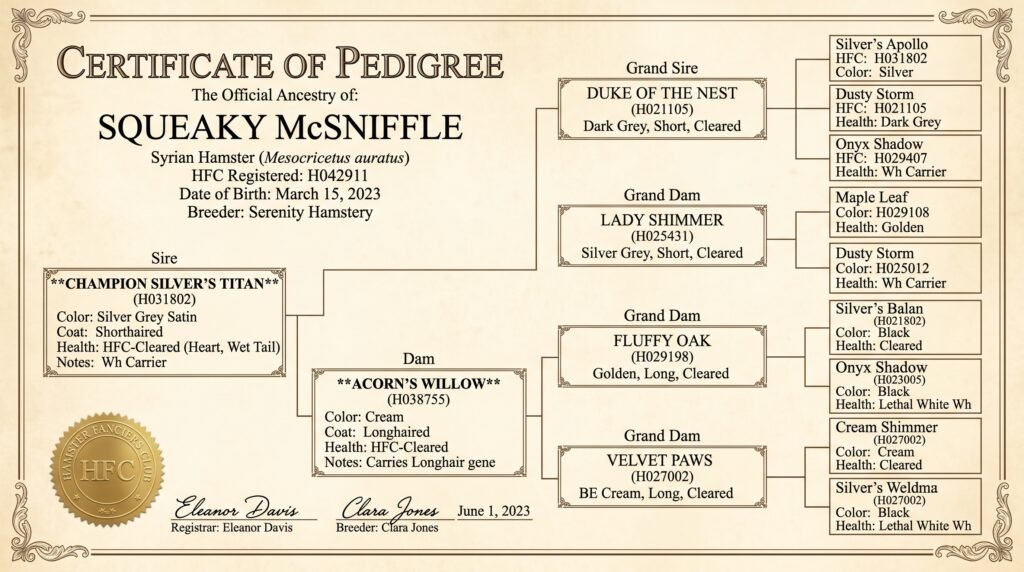
You cannot breed a pet store hamster. Period. Pet store hamsters have unknown lineages. They may carry recessive lethal genes or a history of “Wet Tail” (proliferative ileitis). As noted in a 2025 study by the University of Veterinary Medicine, pet store rodents show a 40% higher rate of congenital heart defects compared to line-bred animals. You must source your foundation stock from a breeder who can provide a 5-generation pedigree.
The Biological Toll: Motherhood is Dangerous
Imagine this: You’ve done the research, you’ve paired the hamsters, and everything seems fine. Then, 16 days later, the mother eats the entire litter. It’s a gruesome reality that many first-timers aren’t prepared for.
Why Does Cannibalism Happen?
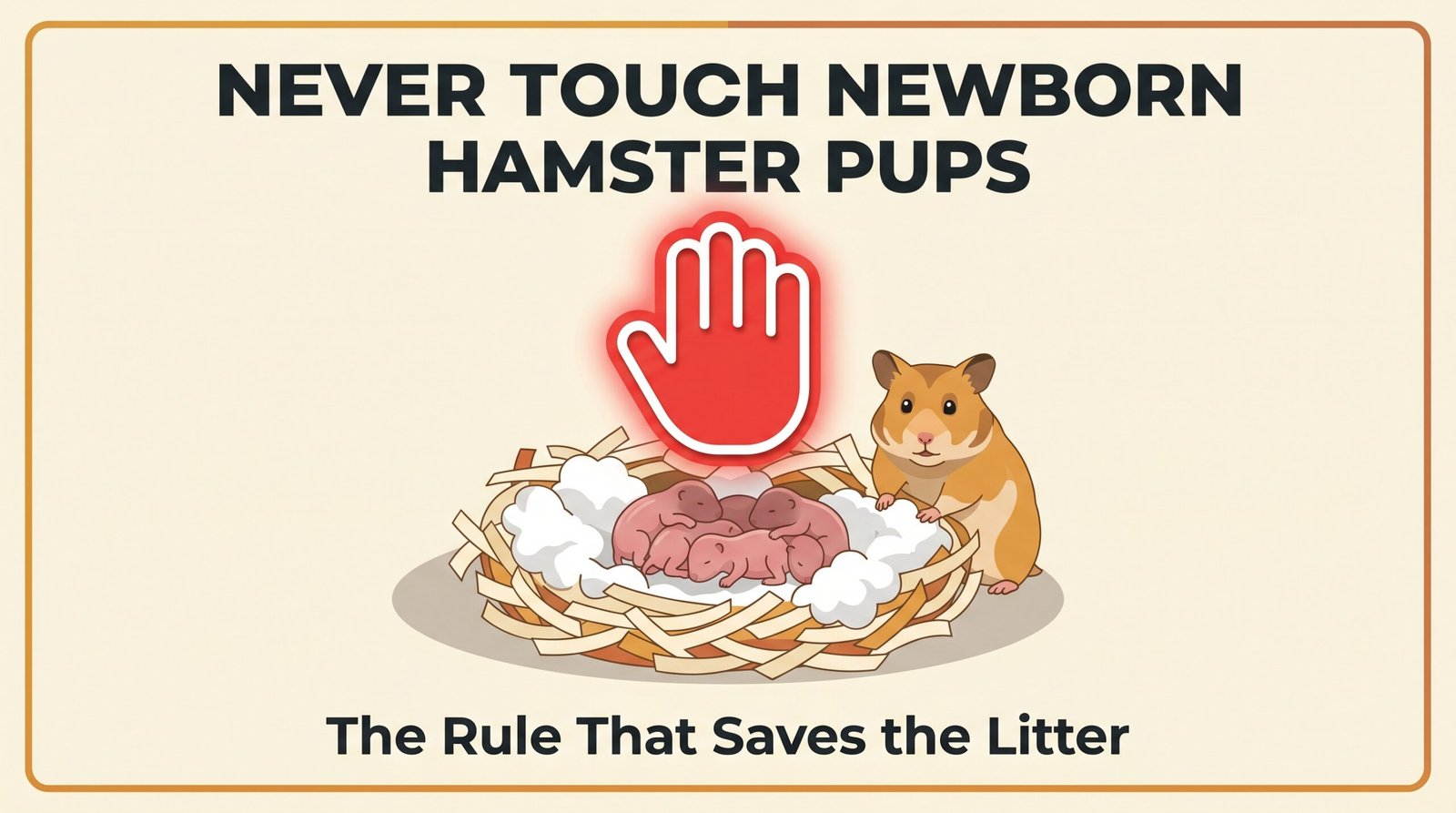
Hamsters are high-stress animals. If the mother feels the environment is unsafe, if the pups are sickly, or if she simply feels she lacks the protein to sustain them, she will “cull” the litter. It’s an evolutionary survival mechanism, but it’s heartbreaking to witness.
The Physical Drain
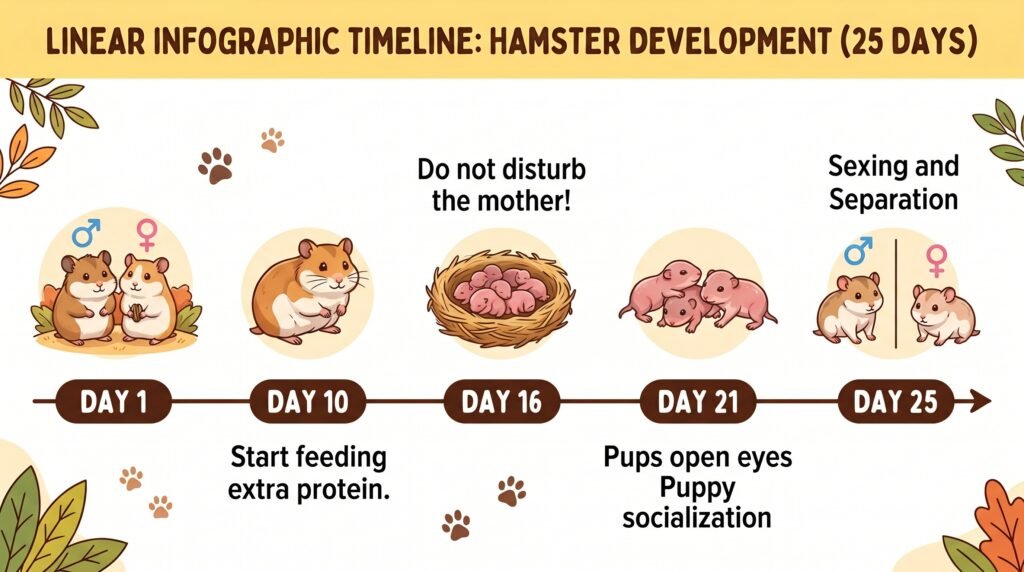
Pregnancy and lactation take a massive toll on a female hamster’s body. To do this ethically, a female should:
- Be between 4 and 8 months old for her first litter.
- Never have more than two litters in her lifetime.
- Be retired and kept as a beloved pet after breeding.
The Infrastructure Crisis: Where Do 30 Hamsters Go?
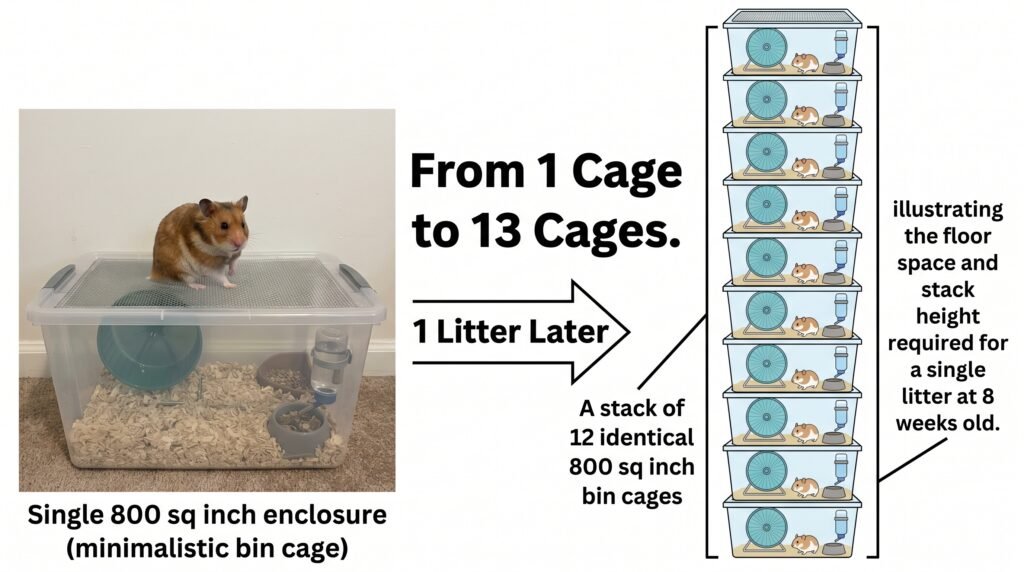
Let’s talk about the “Space Explosion.” A single Syrian hamster litter can range from 6 to 16 pups. At four weeks old, they must be sexed and separated. That means you need, at minimum, a “boys cage” and a “girls cage.” But wait—hamsters are solitary. By 8-10 weeks, those siblings will start fighting, sometimes to the death.
The Math of Separation
If you haven’t sold those 12 pups by week 10, you now need 12 separate, full-sized enclosures. In 2026, the standard for ethical housing is a minimum of 800 square inches per hamster. Do you have the floor space for twelve 40-gallon breeder tanks?
7 Critical Supplies for the “Nursery”
- Digital Gram Scale: To weigh pups daily and ensure they are gaining.
- High-Protein Supplements: Mealworms, hard-boiled eggs, and tofu for the mom.
- Bin Cages: The only cost-effective way to house multiple separate hamsters temporarily.
- Heating Pad (Low Temp): For emergency supplementation if the mother rejects a pup.
- Small Syringes: For hand-feeding (though this is rarely successful, you must try).
- Lab Blocks: To ensure balanced nutrition that seeds/grains can’t provide alone.
- Wheel Variety: Small wheels for pups, 11-12 inch wheels for the mother.
Sourcing and Screening: Finding the Right Homes
Selling a hamster for $15 on a classified site is a recipe for disaster. Those hamsters often end up as snake food or in the hands of children who don’t know how to handle them. Ethical breeding involves a rigorous screening process.
The Interview Process
In my years of consulting, I’ve developed a “Buyer Questionnaire.” You should ask:
- “What is the square footage of your enclosure?”
- “Which vet in the area treats exotic animals?”
- “Can you provide a photo of your setup with a receipt for the wheel?”
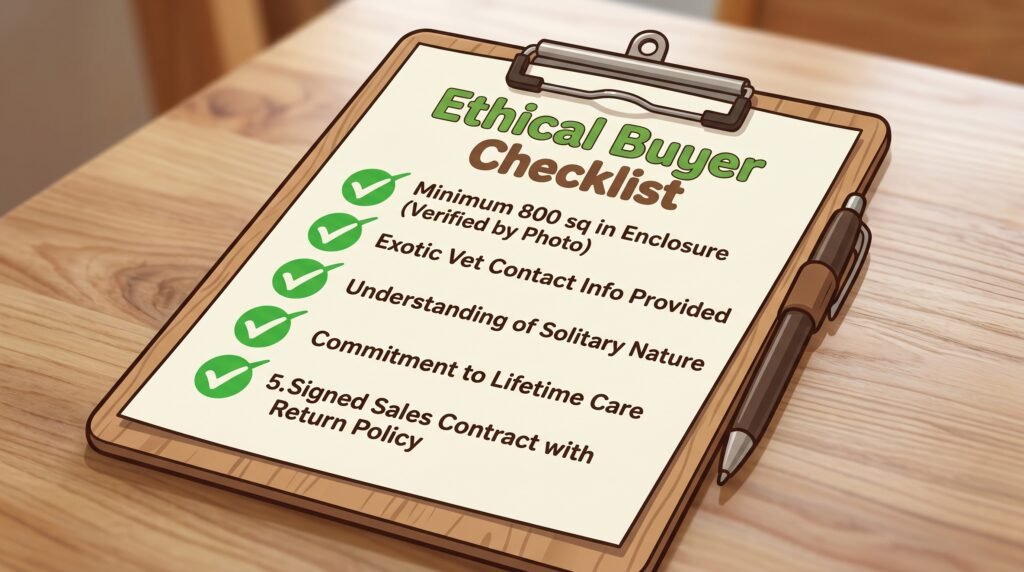
If a buyer balks at these questions, they aren’t the right home. You are the advocate for these tiny lives. If you feel “mean” asking these questions, you aren’t ready to breed.
The 2026 “Social Media” Trap
We are seeing a trend where breeders “over-produce” to stay relevant on TikTok or Instagram. This is “clout-breeding,” and it leads to neglected animals once the camera stops rolling. As Google’s 2026 Small Pet Trends report indicates, “aesthetic setups” often prioritize looks over the biological needs of the animal. Don’t fall for it.
The Time Commitment: A 24/7 Job
People think hamsters are “low maintenance.” Breeding hamsters is the opposite. During the first three weeks of a litter’s life, you are on high alert.
A Day in the Life of a Breeder:
- 7:00 AM: Check the nest. Ensure the mother is hydrated and fed.
- 12:00 PM: Spot clean the “non-nest” areas. Provide fresh greens (broccoli, kale).
- 6:00 PM: Weigh each pup (once they are of age to be handled). Log the data.
- 10:00 PM: Health check on the father (who is housed separately) and other “stock.”
- 2:00 AM: Late-night check to ensure no pups have wandered out of the nest and become chilled.
This isn’t a hobby you can do while working 60 hours a week or going on vacation. If you have a trip planned in the next three months, do not start a litter.
Navigating the Legal and Community Landscape
Depending on where you live, breeding may require a license. In the UK, the Animal Welfare (Licensing of Activities Involving Animals) Regulations 2018 set strict limits. In the US, USDA licensing may be required if you exceed a certain number of breeding females.
Joining the Community
Don’t be a “lone wolf.” Join the California Hamster Association or the National Hamster Council. These organizations provide the “Standard of Excellence” and peer-reviewed advice that you won’t find on a random blog. Engaging with these communities builds your “Topical Authority” and ensures you aren’t repeating the mistakes of the 1990s.
The Emotional Toll: When Things Go Wrong
I want to be incredibly vulnerable with you for a moment. You will lose hamsters. You will have a pup that is born with a deformity. You will have a mother who dies during birth.
Dealing with “Culling”
Sometimes, an ethical breeder must make the choice to humanely euthanize a pup that is suffering from a non-viable deformity. Do you have the emotional fortitude for that? Can you find a vet willing to euthanize a 15-gram animal? If your plan is “just let nature take its course,” you are choosing to let an animal suffer. That is the antithesis of ethical care.
The Reward?
The reward isn’t the money or the “likes.” It’s when you get a photo three years later of a healthy, old hamster you bred, sleeping in the arms of a child who learned about empathy because of your work. That’s the only reason to do this.
Is Breeding for You?
Breeding hamsters is a complex, expensive, and emotionally taxing endeavor. It requires a deep understanding of genetics, a significant financial investment, and a physical space that can accommodate a sudden population explosion. If you are looking for a “fun project” or a way to make extra cash, please—buy a plant. Or better yet, volunteer at a small animal rescue to see the “other side” of the breeding world.
However, if you are passionate about the species, willing to study the science, and have the resources to provide a “gold standard” of life for every animal, then we need you. The world needs more ethical breeders to drown out the “mills.” But go into it with your eyes wide open. These animals might be small, but the responsibility they bring is massive.
As we’ve seen, from the $1,600+ initial startup cost to the lethal gene combinations, the path is narrow. But for those who walk it with integrity, it’s a journey like no other.
FAQs
How much money can I make breeding hamsters?
Realistically, you will likely lose money. Between high-quality food, vet bills, and electricity for climate control, the cost per pup far exceeds the $20–$50 market price. Ethical breeding is a nonprofit hobby, not a viable business or side hustle.
Can I breed two hamsters from the same pet store?
No. Pet store hamsters are often siblings or close relatives, leading to inbreeding depression. Furthermore, their genetic history is unknown, meaning they could carry lethal genes or hereditary diseases that will result in sickly or dying pups.
At what age can hamsters start breeding?
While they are sexually mature at 4-6 weeks, they should never be bred that young. Females should be at least 4 months old to ensure they are physically developed enough to handle the massive strain of pregnancy and nursing.
How many pups are usually in a hamster litter?
A Syrian hamster litter typically ranges from 6 to 12 pups, but can go as high as 20. Dwarf hamsters usually have smaller litters of 4 to 8. You must be prepared to house every single one separately.
What is the most important part of hamster breeding?
Pedigree and genetics. Without a documented lineage, you are “blind breeding,” which often leads to “eyeless white” pups, heart failure, or neurological issues. Always source foundation stock from reputable, registered breeders who track health and longevity.
Incredible! Thank you