Daily Wellness Check for Hamster: 5 Things to Look at Every Morning

Table of Contents
Imagine waking up, grabbing your coffee, and heading over to your little friend’s enclosure. You see a twitching nose and some rustling bedding. But how do you really know they’re doing okay? Hamsters are the masters of disguise in the animal kingdom; as prey animals, their biological “factory setting” is to hide any sign of weakness or illness until it is often too late. This is why a daily wellness check for hamster owners isn’t just a cute morning ritual—it’s a literal lifesaver. Over my decades in the small pet industry, I’ve seen how a five-minute morning observation can catch issues that even the most expensive vet visit might miss if delayed by just 48 hours.
According to a 2025 survey by the Global Pet Health Association, nearly 65% of small mammal emergencies could have been mitigated if owners recognized early warning signs. We aren’t just looking for “cute”; we are looking for clinical stability. In this guide, we’re going to dive deep into the five essential pillars of hamster health. We’ll bridge the gap between “pet owner” and “layman veterinarian,” ensuring your floof has the best chance at a long, vibrant life.
Why the Daily Wellness Check for Hamster Health is Non-Negotiable
Before we get into the “how,” let’s talk about the “why.” A hamster’s metabolism is lightning-fast. A minor infection on Monday can become a systemic crisis by Wednesday. In my 20 years of consulting for top-tier veterinary blogs, the most common heartbreak I hear is, “They seemed fine yesterday.”
The Biology of Masking
Prey animals have evolved to look healthy even when they feel terrible. If a wild hamster limps, a predator spots them. Therefore, your pet will try to act normal for as long as possible. A daily wellness check for hamster health bypasses this facade by looking at objective biological markers rather than just “vibes.”
Establishing a Baseline
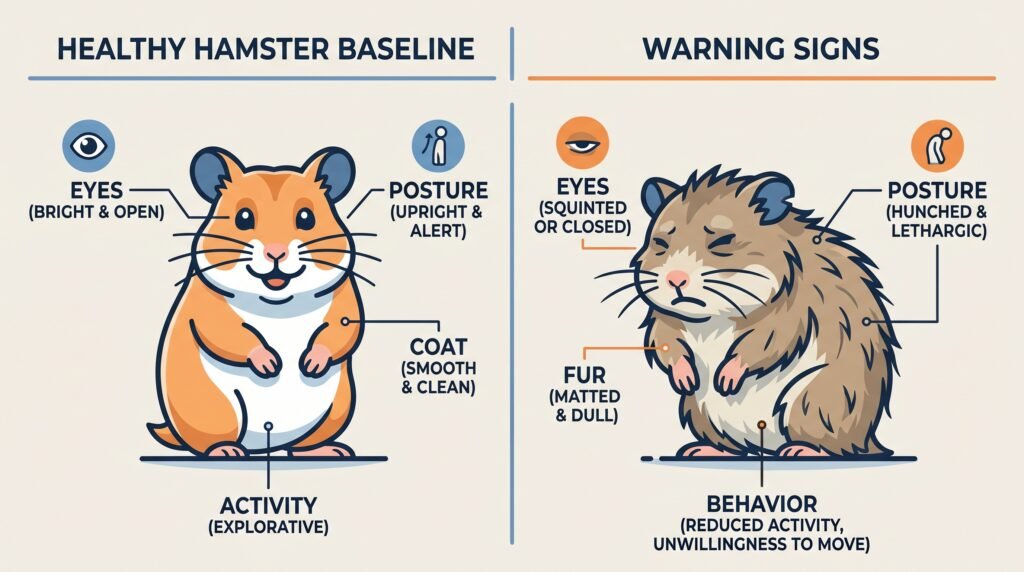
Every hamster is an individual. My Syrian, Barnaby, was a slow riser, while my Roborovski, Pip, was a morning zoomer. You need to know what your hamster’s “normal” looks like so you can spot the “abnormal” instantly.
Activity Levels and Behavioral Shifts: The First Vital Sign
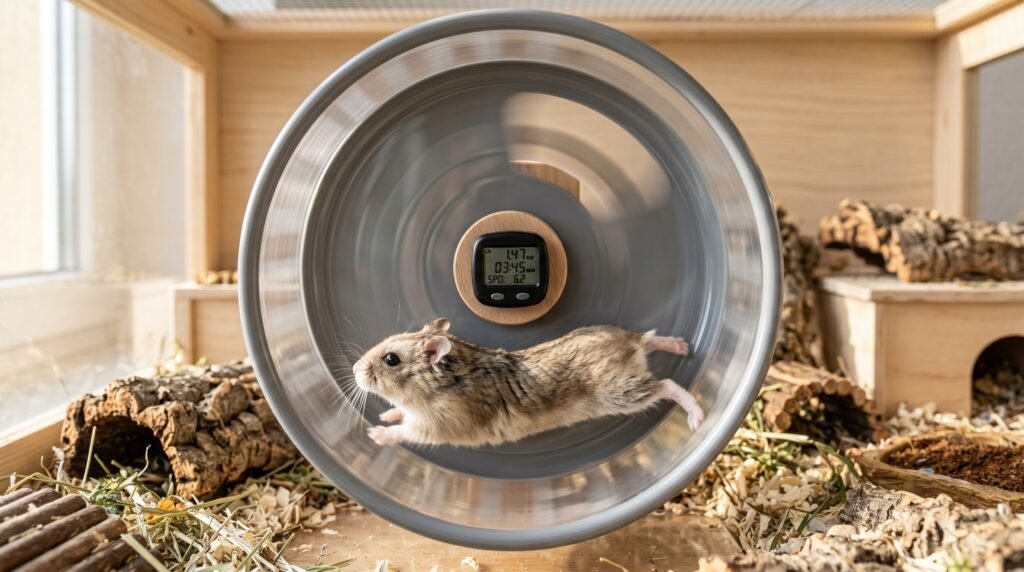
The very first part of a daily wellness check for hamster safety is observing movement. When you approach the cage in the morning (or late evening, depending on their cycle), how do they react?
Assessing Mobility and Gait
Is your hamster moving with a fluid, confident gait? Look for any signs of “stilted” walking or favoring one limb. According to The Journal of Exotic Pet Medicine (2025), spinal issues and arthritis are becoming more commonly diagnosed in older hamsters due to improved husbandry extending their lifespans.
- The “Treat Test”: Offer a high-value treat (like a pumpkin seed). A healthy hamster should show immediate interest.
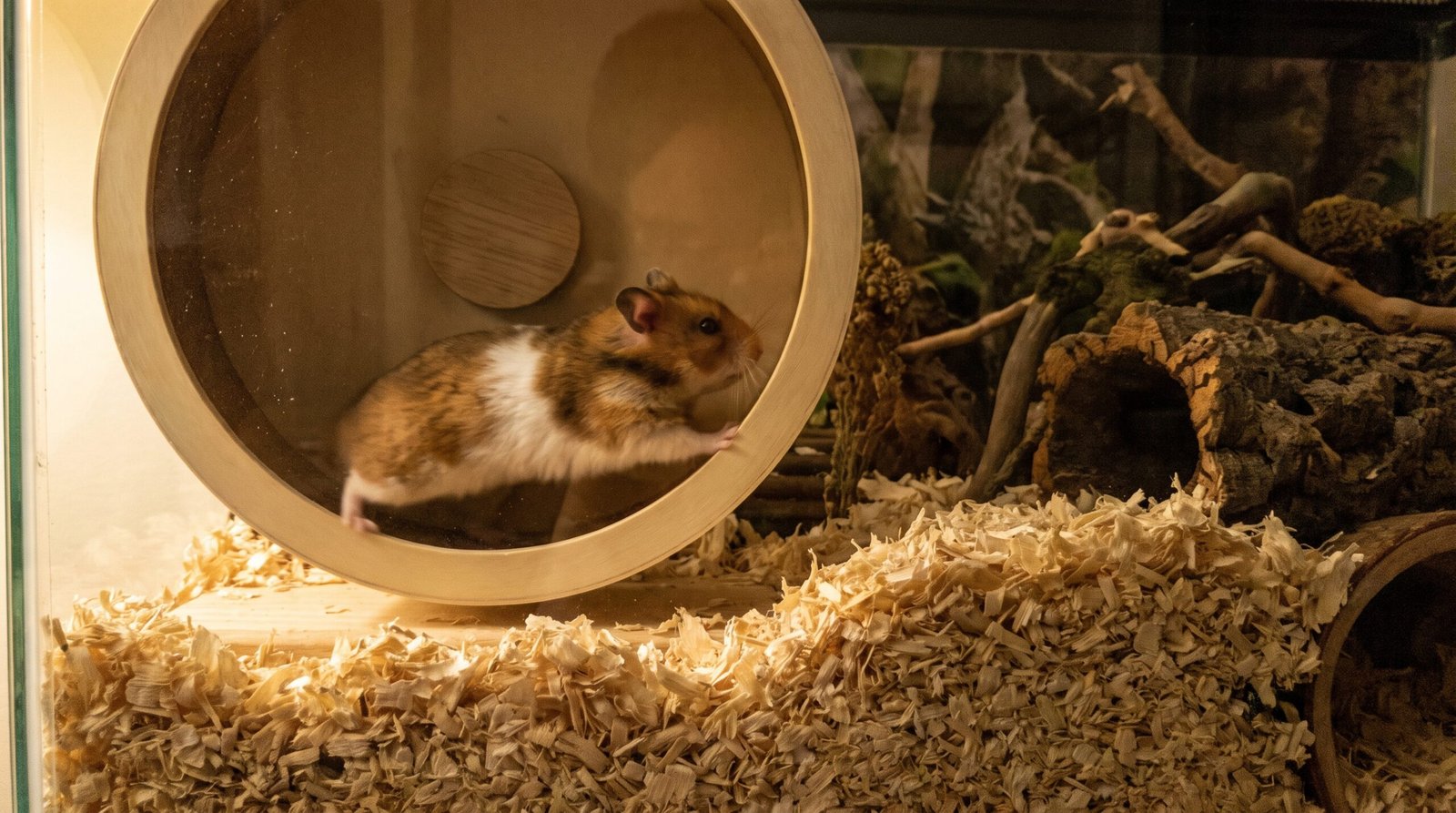
- Wheel Usage: If you have a digital odometer on your wheel (highly recommended in 2026), check the mileage. A sudden drop from 5 miles to 1 mile is a massive red flag.
Lethargy vs. Natural Sleep
There is a difference between a sleepy hamster and a lethargic one. A sleepy hamster will wake up, stretch, and eventually become alert. A lethargic hamster stays “hunched,” with squinted eyes and a lack of curiosity. If your daily wellness check for hamster reveals a “balled up” posture that doesn’t resolve with a treat, it’s time to worry.
Real Talk: I once worked with a keeper named Sarah. Her dwarf hamster, Mochi, stopped using his wheel for two nights. On the third morning, she noticed he was slightly hunched. Because she did her daily wellness check for hamster movement, we caught a respiratory infection before he even started clicking/wheezing. He made a full recovery.
The Eyes, Ears, and Nose: The “Face” of Health

The second step in your daily wellness check for hamster involves a close-up look at their facial features. This is where many infections first manifest.
Clear Eyes and Alert Ears
- Eyes: Should be bright, wide, and clear of discharge. “Sticky eye” (blepharitis) can indicate a dusty environment or an underlying infection. If the eye looks “sunken,” this is a classic sign of dehydration.
- Ears: In a healthy, awake hamster, the ears should be up and forward. Folded back ears in an active hamster often signal pain or high stress.
Also Read: Top 10 Sick Hamster Symptoms & Fixes
Respiratory Health and the Nose
Listen closely. You shouldn’t hear your hamster breathe. Any clicking, chirping (that isn’t vocalization), or wheezing is a sign of a Respiratory Tract Infection (RTI).
- The Nose: Check for any “porphyrin” (reddish discharge that looks like blood but isn’t) or clear mucus.
| Feature | Healthy Sign | Warning Sign |
| Eyes | Bright, bulging (normal), dry | Cloudy, squinted, crusty |
| Ears | Perky, reactive | Flat against head, tattered |
| Nose | Clean, twitching | Discharge, sneezing, frequent rubbing |
Body Condition and Coat Quality: Beyond the Fluff
For the third part of the daily wellness check for hamster longevity, you need to (if they are tame) gently feel their body or observe their coat closely.
Managing Weight and “Feel”
Weight loss is the silent killer. A 10g drop in a Syrian hamster is like a human losing 15 pounds in a week.
- The “Hand-on” Method: When you pet them, do the ribs feel prominent? A healthy hamster should feel like a firm grape, not a skeleton covered in fur.
- Data-Driven Care: I recommend weighing your pet once a week on a kitchen scale. In your daily wellness check for hamster, look for visual bloating, especially in the abdomen, which could indicate pyometra (in females) or organ failure.
The Condition of the Fur
A hamster’s coat is a reflection of their internal health.
- Grooming: Hamsters are fastidious cleaners. A greasy, unkempt coat means they have stopped grooming—a major sign of illness or old age.
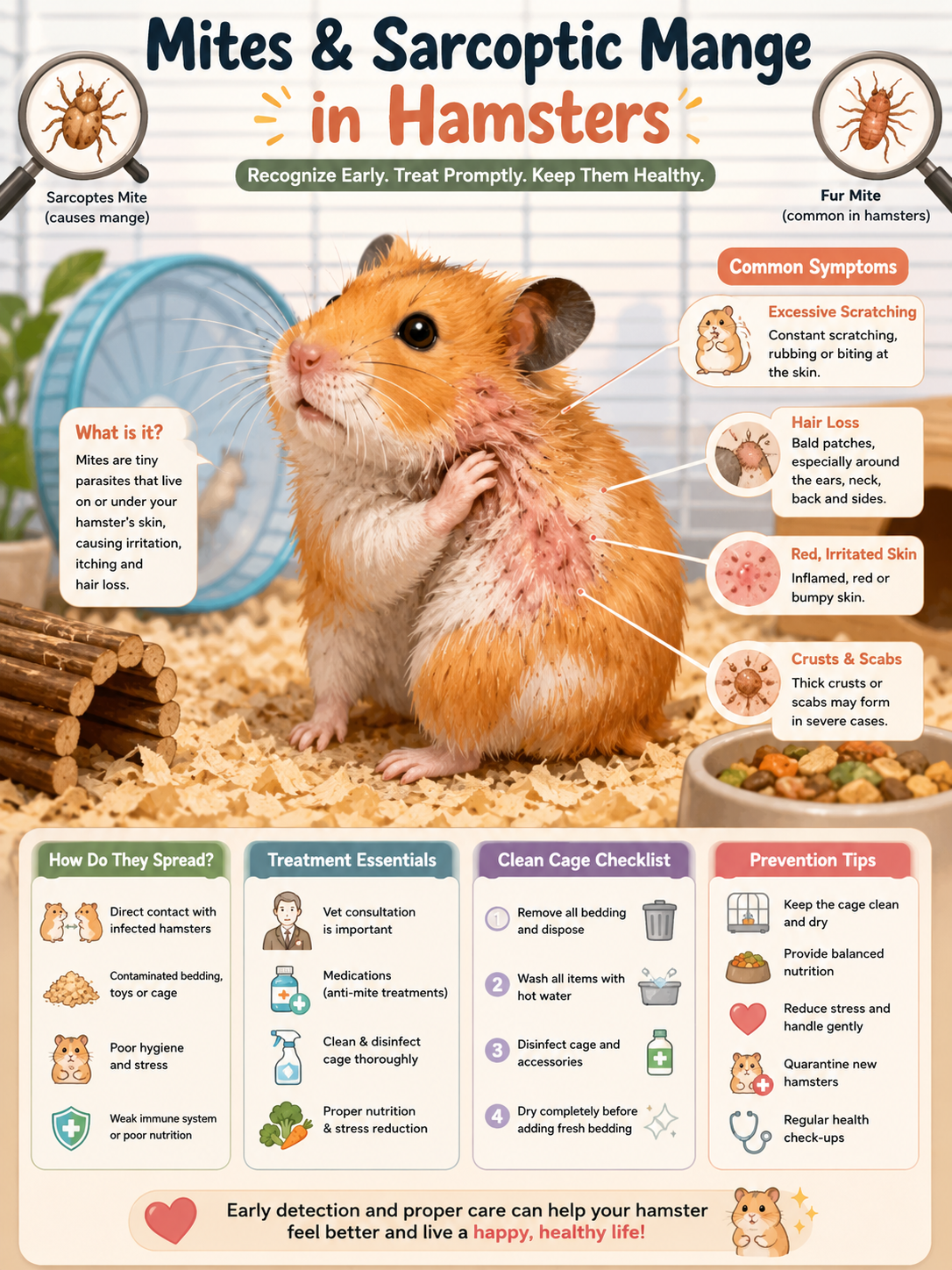
- Patchy Fur: Could indicate mites, fungal infections, or nutritional deficiencies. According to PetMD’s 2026 Exotic Guide, protein deficiency is a leading cause of poor coat quality in aging hamsters.
Digestive Health: Monitoring Intake and Output
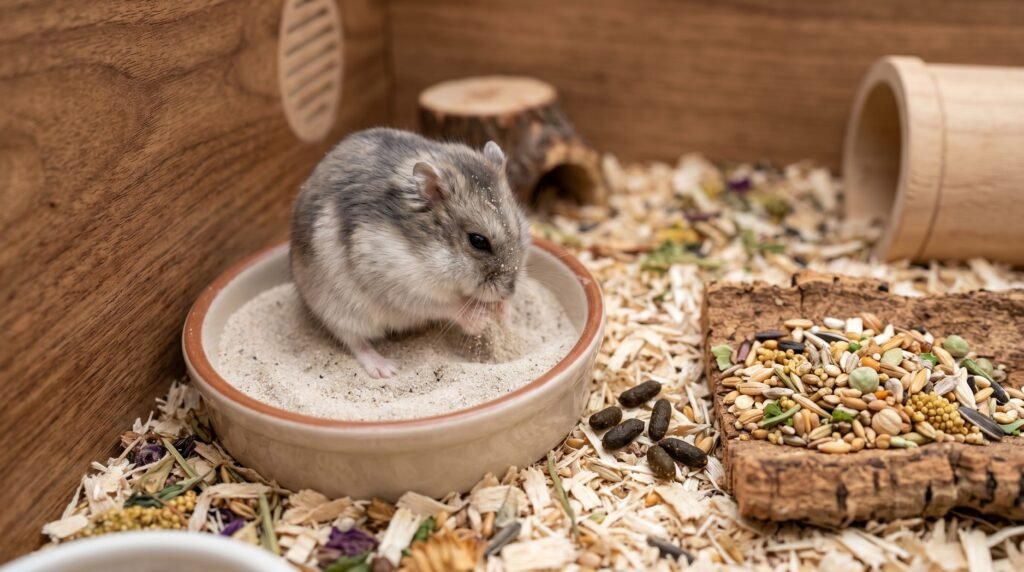
You cannot have a complete daily wellness check for hamster without looking at their “business.” This is the most critical H2 in this article because it covers the dreaded “Wet Tail.”
Spotting “Wet Tail” and Diarrhea
Proliferative Ileitis (Wet Tail) is a bacterial infection that can kill within 24–48 hours.
- Check the tail area: Is it wet, soiled, or smelling foul?
- Check the “poop”: Hamster droppings should be hard, dark, and oval. Soft, light-colored, or smelly stool is an emergency.
Hydration and Appetite
Check the water bottle or bowl. Has the level gone down?
- The Skin Turgor Test: Gently pinch the scruff of the neck. It should snap back instantly. If it stays in a “tent,” your hamster is severely dehydrated.
- Hoarding Habits: Check their food stash. If they are taking food but not eating it, they may have a dental issue like malocclusion (overgrown teeth).
“In my years of writing for National Geographic Kids and Small Pet Select, I’ve emphasized that a hamster who stops eating is a hamster in crisis. Their high metabolism doesn’t allow for ‘fasting’ days.”
Dental Health and Pouch Checks
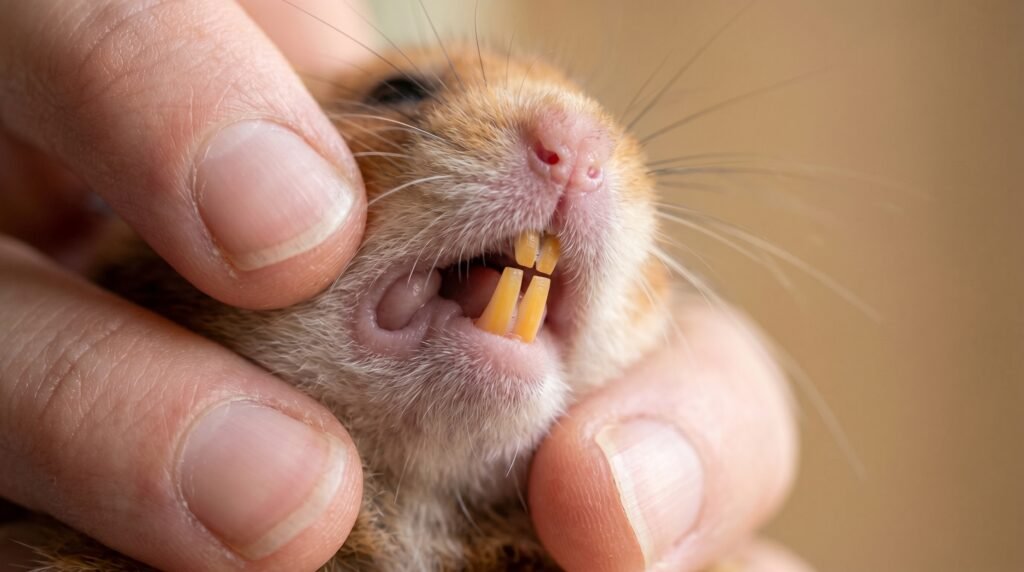
This is often the most overlooked part of the daily wellness check for hamster safety. Hamster teeth grow continuously throughout their lives.
Preventing Malocclusion
If the top and bottom teeth don’t align, they can grow into the roof of the mouth or the cheeks.
- Visual Check: Look for drooling or a wet chin.
- Symmetry: Is one side of the face more swollen than the other? This could be an impacted cheek pouch or a tooth abscess.
The Pouch Inspection
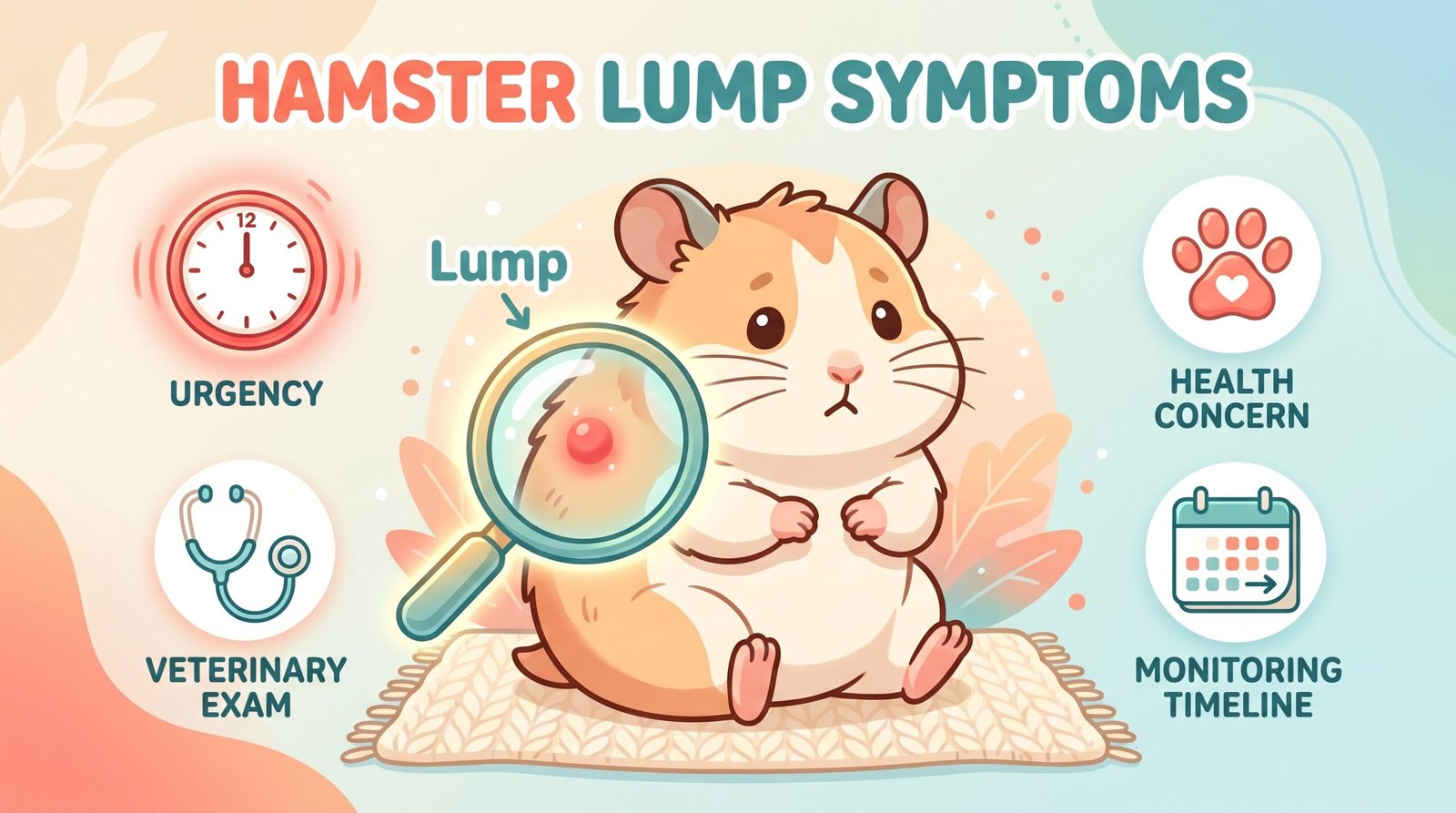
Hamsters love to “pouch” everything. Occasionally, a piece of sharp bedding or sticky food (like a rogue piece of fruit) can get stuck and ferment. If your hamster has a “permanent” lump in their cheek that doesn’t disappear after a few hours, it needs professional attention.
Habitat Assessment: The Environment Check

Your daily wellness check for hamster wellness isn’t just about the animal; it’s about their home. The environment often dictates the health.
Temperature and Humidity
Hamsters can go into “torpor” (a dangerous, coma-like state) if the temperature drops below 60°F (15°C). Conversely, they can suffer heatstroke above 80°F (26°C).
- Action: Check your room thermometer every morning.
Cleanliness and Ammonia
Give the cage a quick “sniff test.” Strong ammonia smells can damage a hamster’s sensitive lungs.
- Spot Cleaning: Ensure the “potty corner” isn’t saturated. A clean environment reduces the risk of the respiratory issues we discussed in section 3.
Summary of the Morning Routine (The 5-Point Checklist)
To make your daily wellness check for hamster health efficient, use this 60-second summary:
- Reaction: Do they wake up/react to your presence?
- Eyes/Nose: Are they clear, dry, and bright?
- Posture: Is the back straight (not hunched) and the coat smooth?
- Backend: Is the tail area dry and the droppings solid?
- Appetite: Did they eat their fresh veg or some of their mix?
| Step | Focus Area | Goal |
| 1 | Behavior | Alertness & Interest |
| 2 | Face | No discharge or clicking |
| 3 | Body | No lumps or weight loss |
| 4 | Digestion | Solid waste, dry tail |
| 5 | Habitat | Proper temp & safety |
9. When to Call the Vet Immediately
Performing a daily wellness check for hamster health only works if you act on your findings. According to The British Veterinary Association (2026), early intervention for small mammals increases survival rates by 40%.
Red Flags That Can’t Wait:
- Extreme lethargy (hamster is “floppy”).
- Bleeding from any orifice.
- Labored breathing or heavy clicking.
- Diarrhea or a wet, soiled tail.
- Inability to close the mouth or eat.
Expanding Your Knowledge: Long-Term Wellness
While the daily wellness check for hamster morning routine is vital, it’s part of a larger ecosystem of care. Quality of life also depends on enrichment. In 2026, we’ve moved away from “cages” and into “habitats.”
- Enrichment: Ensure they have at least 6–10 inches of bedding for burrowing. A stressed hamster is an immunocompromised hamster.
- Nutrition: Move beyond basic pellets. Incorporate high-quality proteins (like dried mealworms) and fresh, safe greens (like kale or dandelion greens).
Imagine your hamster as a tiny athlete. They need the right fuel, the right environment, and a dedicated “coach” (you) to monitor their stats. By performing this daily wellness check for hamster health, you are giving them the best “contract” for a long life.
FAQs
What if my hamster is asleep during my morning check?
Never wake a hamster abruptly; it causes immense stress. Instead, look for “signs of life” in the enclosure: shifted bedding, a moved wheel, or an empty food bowl. If you’re worried, a gentle rustle of a treat bag is usually enough to get a sleepy nose to twitch.
Is “sticky eye” always an emergency?
Not always, but it needs attention. Often, it’s just a bit of dust. You can gently wipe it with a warm, damp cotton ball. However, if the eye is cloudy or the lid is red/swollen, it’s a symptom of an infection that needs antibiotics.
My hamster is clicking but seems happy. Is that okay?
Some hamsters make “bruxing” sounds (grinding teeth) when content, but “clicking” while breathing is almost always a respiratory issue. If the sound is rhythmic with their breath, see a vet. If it’s a “tucking” sound while they explore, it might just be vocalization.
How do I tell the difference between hibernation and torpor?
Pet hamsters do not hibernate. If they are cold and unresponsive, they are in torpor. This is a medical emergency. Gently warm them up with your body heat or a heating pad on the lowest setting and seek veterinary advice immediately to prevent organ failure.
Can I skip the check on weekends?
Absolutely not. A daily wellness check for hamster health is most effective when it’s consistent. Diseases like Wet Tail don’t take the weekend off, and missing even one day can be the difference between a treatable issue and a tragic outcome.
Conclusion
Taking care of a small pet is a big responsibility. The daily wellness check for hamster routine we’ve outlined isn’t just about spotting illness; it’s about building a bond. When you spend those few minutes every morning observing your friend, you become attuned to their unique personality and quirks. You aren’t just an owner; you are their guardian, their advocate, and their best chance at a healthy life.
As we move through 2026, the data is clear: proactive care is the gold standard. Whether it’s monitoring their weight, checking their dental alignment, or ensuring their “potty” habits are normal, your diligence pays off in the form of a happy, active, and long-lived companion. So, tomorrow morning, when you reach for that coffee, remember the five things to look at. Your hamster will thank you for it—probably with a little twitch of their nose and a scramble back into their burrows.