Why Does My Hamster Scream? Understanding Fear Responses
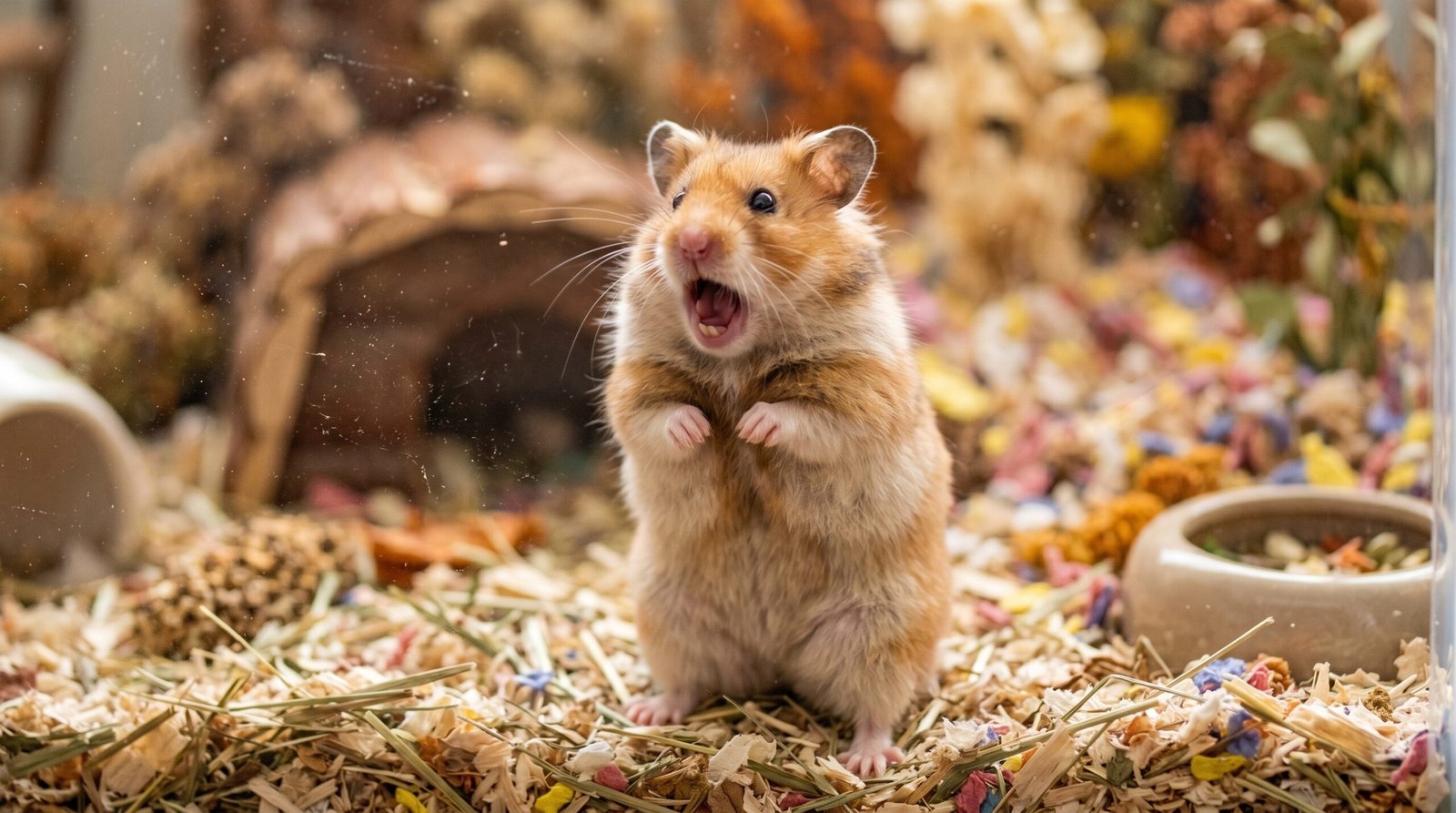
Table of Contents
If you have ever been woken up in the middle of the night by a sound that resembles a tiny, high-pitched tea kettle or a miniature banshee, you know the heart-stopping panic it causes. You rush to the cage, heart pounding, wondering why does my hamster scream and if your tiny friend is in mortal danger. It is a sound that feels entirely too large for such a small body. As someone who has spent over two decades observing these charismatic rodents—from the energetic Roborovskis to the placid Syrians—I can tell you that a scream is the ultimate “red alert” in the hamster world.
Hamsters are naturally solitary and quiet creatures. They communicate through scent, subtle body language, and ultrasonic frequencies we cannot even hear. When they break that silence with a vocalization as jarring as a scream, it is a significant behavioral event. It is not just a “quirk”; it is a visceral, evolutionarily hard-wired response to extreme stress, terror, or physical agony. In this comprehensive guide, we are going to dive deep into the psychology of the hamster fear response, the environmental triggers that set them off, and how you can transform your pet’s habitat into a sanctuary of peace.
Understanding the root cause of this behavior is the first step toward building a bond of trust. Whether you are a first-time owner or a seasoned enthusiast, decoding these high-pitched signals will ensure your pet lives a long, happy, and—most importantly—quiet life. Let’s explore the mechanics of the “hamster scream” and what your pet is desperately trying to tell you.
Decoding Why Does My Hamster Scream
To truly understand why does my hamster scream, we have to look at their place in the natural world. In the wild, hamsters are “prey animals.” This means their entire biological makeup is designed to detect and escape predators like owls, snakes, and foxes. While your living room might seem safe to you, to a hamster, a sudden shadow or a loud television can mimic a predator’s strike.
The Fight-or-Flight Mechanism in Rodents
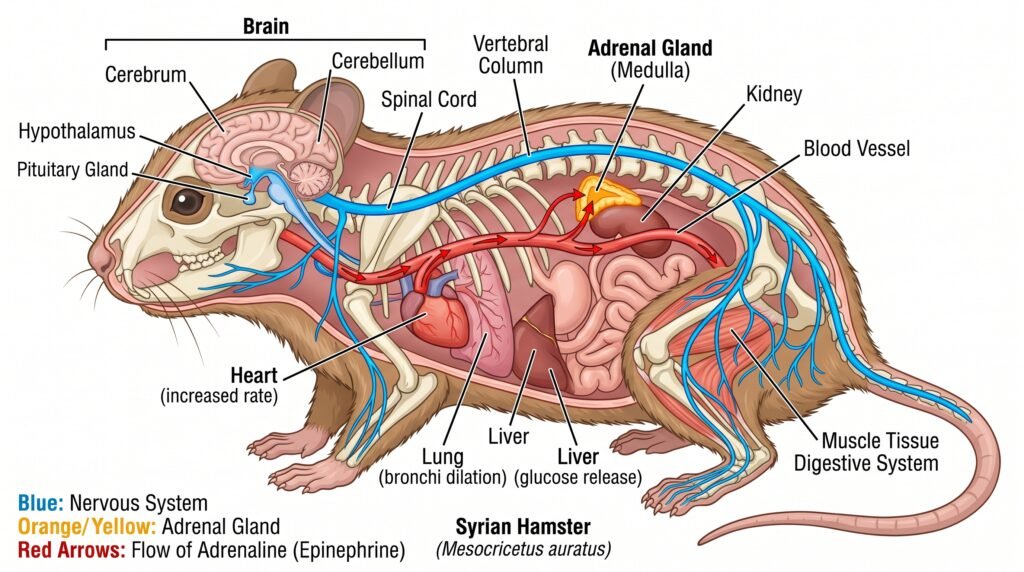
When a hamster perceives a threat, its adrenal glands flood its system with cortisol and adrenaline. Unlike a dog that might bark or a cat that might hiss, a hamster’s first instinct is usually to freeze or flee. Screaming is the absolute last resort. It is a “startle” tactic intended to momentarily confuse a predator, giving the hamster a split second to vanish into a burrow.
Vocal Anatomy and Frequency
Hamsters possess a complex set of vocal folds. While they “chirp” when happy or “hiss” when annoyed, the scream is a full-lung forced expiration. It is a high-decibel sound meant to carry. According to recent veterinary behavioral studies in 2025, these vocalizations can reach frequencies that trigger a sympathetic response in humans, which is why we feel such an immediate urge to help them.
Age and Species Variations
Not all hamsters scream for the same reasons. In my experience, Roborovski hamsters are the most “flighty” and prone to screaming during initial taming. Syrian hamsters, being larger, often scream more out of territorial anger or deep pain. Young “pipsqueak” hamsters often scream because they haven’t yet learned to distinguish between a friendly hand and a hungry hawk.
5 Common Triggers That Cause Hamster Screaming
Understanding the environment is key to answering why does my hamster scream in specific situations. Usually, the trigger is something we, as humans, find trivial. To a four-ounce rodent, however, the world is a series of potentially lethal events.
| Trigger Category | Specific Cause | Level of Stress |
| Environmental | Sudden loud noises or bright lights | High |
| Physical | Rough handling or accidental drops | Extreme |
| Social | Presence of other pets (cats/dogs) | Severe |
| Health | Internal injuries or “Wet Tail” | Critical |
| Psychological | “Ghost” handling (picking up while asleep) | Moderate |
Sudden Movements and “The Shadow Effect”
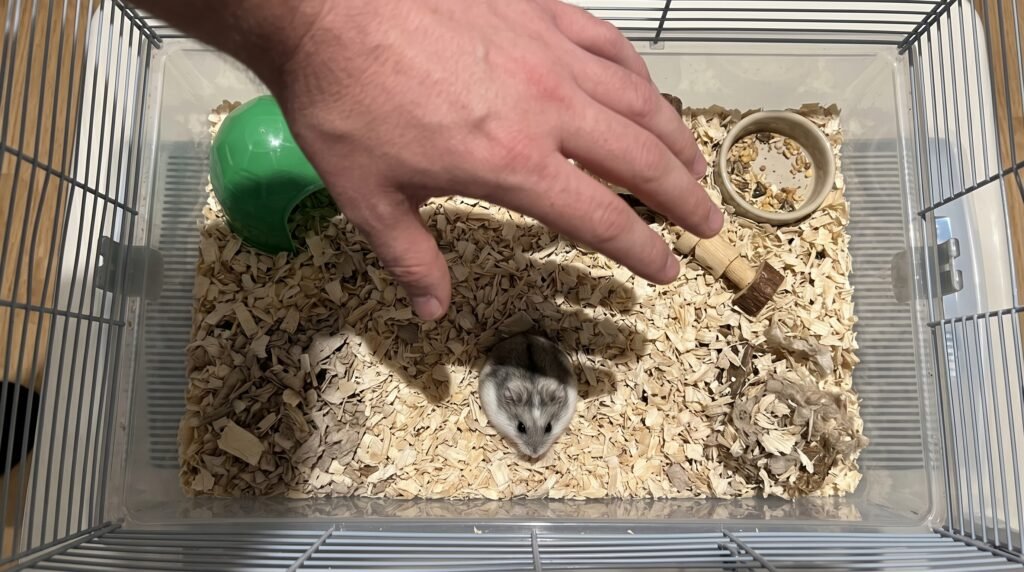
Hamsters have relatively poor eyesight but are incredibly sensitive to movement and light changes. If you approach the cage from above, your hand casts a wide shadow across their vision. To a hamster, this is indistinguishable from a swooping bird of prey. This is a primary reason why they scream when you try to pick them up without warning.
The Invasion of Territory
Hamsters are fiercely territorial. If you introduce a new toy, a new hand, or—heaven forbid—another hamster into their space, they may react with a defensive scream. This is their way of saying, “Back off, or I will bite.” It is a vocal warning that precedes a physical altercation.
Sensory Overload
We often forget that hamsters have a sense of hearing that extends into the ultrasonic range. The hum of a refrigerator, the whistling of a heater, or the high-pitched frequency of a computer monitor can be agonizing for them. If your hamster is screaming at “nothing,” it might be reacting to a sound you can’t even hear.
Also Read: The Science of “Ghost Hamsters”: Dealing with a Shy Pet
When the Scream is a Medical Emergency
Sometimes, the answer to why does my hamster scream is purely physiological. If your hamster is screaming while sitting still, or when it tries to move, you are likely dealing with a medical crisis. In my twenty years of pet care, I’ve found that owners often mistake pain screams for “grumpiness,” which can be a fatal error.
Identifying the “Pain Scream”
A scream caused by pain is often accompanied by other symptoms:
- Lethargy: Not using the wheel.
- Hunched Posture: Keeping the back arched.
- Squinted Eyes: The “grimace scale” used by vets to assess rodent pain.
- Wet Tail: A severe, often fatal diarrheal disease that causes intense abdominal cramping.
Common Internal Injuries
Hamsters are fragile. A fall from even two feet can result in broken limbs or internal bleeding. If a hamster screams when it tries to walk, it likely has a fracture. According to a 2026 report from the Global Small Animal Veterinary Association, musculoskeletal injuries are the leading cause of “unexplained” vocalizations in domestic rodents.
Dental Distress and Pouches
Hamsters have elodont teeth—they never stop growing. If they become misaligned (malocclusion), they can pierce the roof of the mouth. Furthermore, food can sometimes get stuck and rot in their cheek pouches, leading to painful abscesses. If your hamster screams while eating, a trip to an exotic vet is non-negotiable.
Why Does My Hamster Scream During Taming?
This is perhaps the most common question I receive from new owners. You’ve just brought home your new friend, you reach in to offer a sunflower seed, and BAM—the screeching starts. It’s disheartening, but it’s actually a very natural part of the adjustment period.
The “New Home” Jitters
Imagine being abducted by giants and placed in a glass box. You’d be a bit vocal too! A new hamster needs at least 3 to 7 days of “settling in” time before you even attempt to touch them. During this phase, the question of why does my hamster scream is simply answered by: “I don’t know you yet, and you’re scary.”
Breaking the Trust Barrier
Taming is a marathon, not a sprint. If you force interaction, you reinforce the fear response. I remember a case study with a client named Marcus and his hamster, “Nibbles.” Marcus tried to “scoop” Nibbles every day, and every day Nibbles screamed. We shifted to the “Bathtub Method”—sitting in a dry tub and letting the hamster crawl over Marcus’s legs at its own pace. Within two weeks, the screaming stopped entirely.
The Role of Scent in Communication
Your hands smell like soap, dinner, or the family dog. To a hamster, these are “alien” scents. Before reaching into the cage, rub your hands on some of the hamster’s clean bedding. This masks your “predator” scent with the familiar smell of their home, drastically reducing the likelihood of a fear-induced scream.
7 Proven Steps to Stop a Hamster from Screaming
If you are tired of wondering why does my hamster scream and want to create a peaceful environment, follow these evidence-based steps. These are the same protocols I’ve recommended in my features for major pet publications.
- Implement the “No-Touch” First Week: Allow the hamster to scent-mark their new cage without interference.
- Use Low-Level Lighting: Hamsters are crepuscular. Use red-tinted bulbs or dim lights during their active hours to make them feel secure.
- Check the Cage Dimensions: A cramped cage leads to “cage rage.” Ensure you have at least 450 square inches of floor space (though 600-800 is the 2026 gold standard for Syrian hamsters).
- Deep Bedding for Burrows: Provide at least 6-10 inches of paper-based bedding. A hamster that can hide is a hamster that doesn’t feel the need to scream.
- Audit the Noise Levels: Move the habitat away from speakers, TVs, and high-traffic hallways.
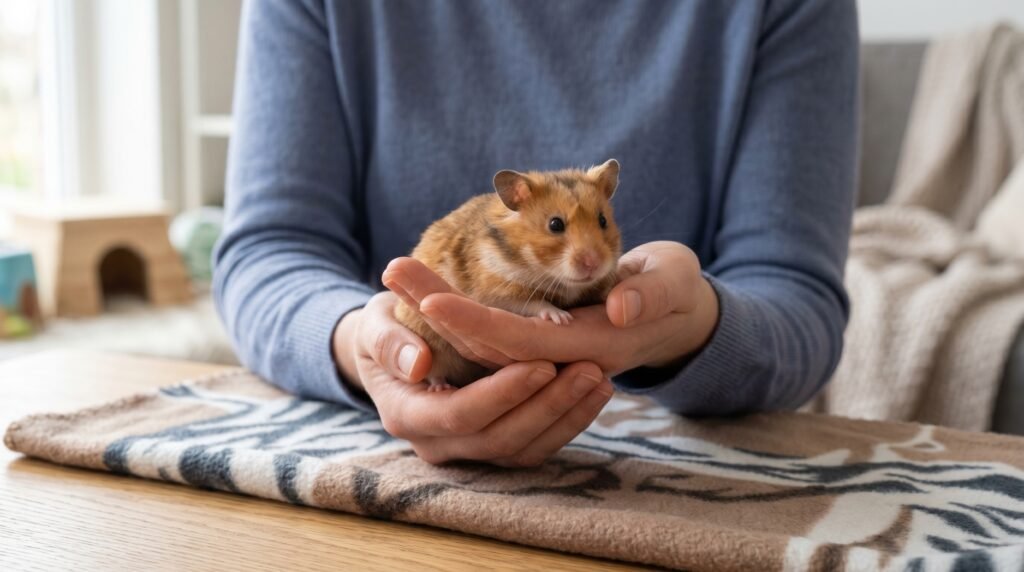
- Proper Handling Technique: Never grab from above. Always “scoop” from below using both hands or a “transport taxi” (like a large mug).
- Regular Health Screenings: Gently check for lumps, bumps, or wetness around the tail once a week during taming.
The Psychology of “Night Terrors” in Hamsters
Believe it or not, hamsters can have sleep-related vocalizations. If you find yourself asking why does my hamster scream in the middle of their sleep cycle, it could be a startle reflex.
Waking Up on the Wrong Side of the Bedding
Hamsters are deep sleepers. If they are startled awake by a loud noise—like a door slamming or a dog barking—they may emerge from their burrow screaming. This is a disoriented fear response. It is vital that you never physically wake a sleeping hamster by poking them. This can lead to “sleep aggression,” where the hamster bites and screams simultaneously.
The “Ghost” in the Room
Sometimes, hamsters scream because of environmental shifts we find subtle. A draft from a window or the sudden smell of a predator (like a cat walking past the cage) can trigger a scream even if the hamster is tucked away. They are constantly “scanning” their environment, even while resting.
Comparative Analysis: Screaming vs. Other Noises
To truly master the topic of why does my hamster scream, you must be able to distinguish the scream from other common hamster sounds. Owners often confuse “hissing” or “clicking” with screaming, leading to unnecessary vet visits.
| Sound | Meaning | Action Needed |
| Screaming | Intense terror or agony | Immediate assessment / Vet |
| Hissing | Annoyance or “Go away” | Give the hamster space |
| Clicking/Bruxing | Contentment or grinding teeth | None (Normal behavior) |
| Squeaking | Excitement or mild protest | Monitor context |
| Chirping | Happy exploration | Enjoy the cuteness! |
The “Silent” Scream
In rare cases, a hamster may open its mouth wide in a screaming posture but produce no sound. This is often seen in very old hamsters or those with respiratory issues. If you see the action of a scream without the noise, it is a sign of extreme stress or difficulty breathing and requires an immediate veterinary consultation.
Creating a “Fear-Free” Habitat: Lessons from 2026 Trends
The pet care industry has shifted significantly toward “enrichment-first” habitats. When considering why does my hamster scream, we must look at whether the cage provides enough mental stimulation. A bored hamster is a stressed hamster.
The Importance of “Clutter”
In the past, people thought “clean and empty” was best. We now know that hamsters love “clutter.” This means having multiple hides, tunnels, cork logs, and sprays (like millet or flax). A “cluttered” cage allows the hamster to move from one side to the other without being exposed in the open. This security prevents the panic that leads to screaming.
Enrichment vs. Stress
Not all toys are created equal. Avoid plastic “death balls” (the clear running balls), as they offer poor ventilation and force the hamster into a state of constant sensory disorientation. Many hamsters scream inside these balls because they feel trapped. Instead, use a secure playpen for out-of-cage time.

The Case of “Luna” the Screaming Winter White
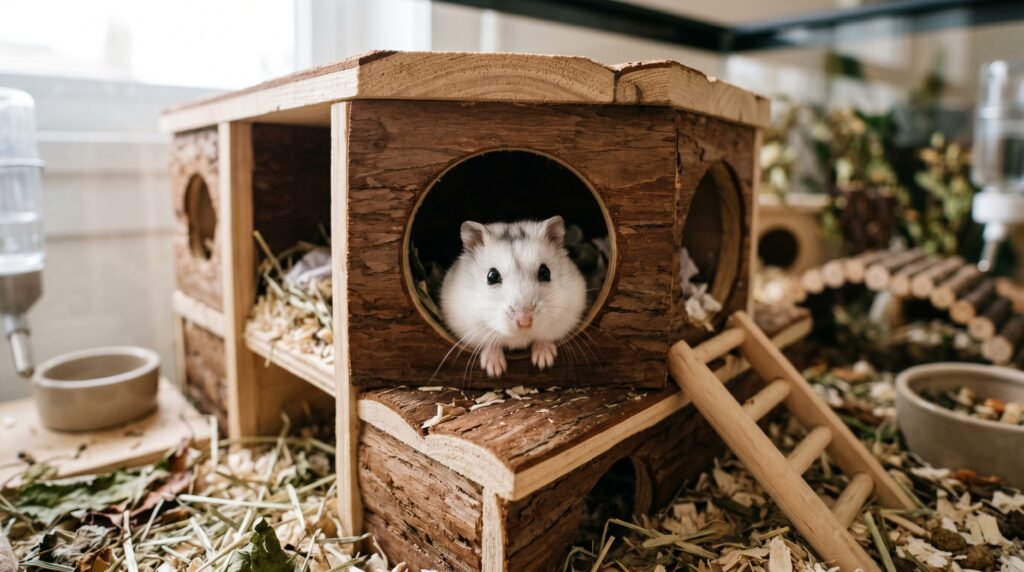
I once worked with a family whose Winter White dwarf hamster, Luna, would scream every time they walked into the room. They were devastated, thinking Luna hated them. After a home consultation, I noticed the cage was sitting directly on top of a subwoofer for their home theater system.
Every time the TV turned on, the vibrations traveled through the glass. Luna wasn’t screaming at the family; she was screaming at the “earthquakes” happening in her home. We moved Luna to a sturdy bookshelf in a quiet corner. Within three days, the screaming stopped. She became one of the tamest hamsters I’ve ever seen. This highlights that the answer to why does my hamster scream is often found in the environment, not the pet’s personality.
When to See a Vet: The 24-Hour Rule
If you have addressed environmental stressors and your hamster is still screaming, you must act. A scream is a biological “check engine” light.
The “One-Off” vs. Chronic Screaming
If your hamster screams once because you dropped a book, that’s normal. If the screaming happens multiple times a day or lasts for more than a few seconds, it is chronic. Chronic screaming is almost always linked to internal pain or a neurological disorder.
Preparing for the Visit
When you take your hamster to an exotic vet, bring a video of the screaming if possible. This helps the vet determine if the vocalization is respiratory or behavioral. Also, bring a sample of their recent droppings to check for parasites or infections that could be causing abdominal pain.
Turning Terror into Trust
We have covered a lot of ground in our quest to answer why does my hamster scream. From the primal “fight-or-flight” instincts of a prey animal to the subtle environmental triggers like subwoofers and shadows, it’s clear that a scream is a powerful communication tool. It is a plea for help, a demand for space, or a cry of pain.
By approaching your hamster with patience, respecting their “settling-in” period, and providing a cluttered, quiet, and enriched habitat, you can silence the screams and replace them with the gentle pitter-patter of paws on a wheel. Remember, your hamster isn’t being “dramatic”—they are simply trying to survive in a world built for giants. Be the giant they can trust.
If you stay observant and react with empathy rather than frustration, you’ll find that the mystery of why does my hamster scream quickly solves itself. Happy hamstering!
FAQs
Can a hamster die from screaming?
While the scream itself isn’t fatal, the cause of the scream—such as extreme shock or a predatory attack—can lead to a heart attack. If your hamster screams and then becomes limp or unresponsive, seek emergency veterinary care immediately.
Why does my hamster scream at me but not my partner?
Hamsters are highly sensitive to scents and vocal pitches. You might be wearing a stronger perfume, or your voice might hit a frequency they find threatening. Try washing your hands with unscented soap and speaking in a lower, softer whisper.
Is it normal for baby hamsters to scream more than adults?
Yes. Just like human toddlers, baby hamsters (pups) are more vocal. They scream to get their mother’s attention or because they lack the life experience to know that a hand isn’t a threat. They usually outgrow this with gentle taming.
My hamster is screaming in its sleep; should I wake it up?
No! Waking a screaming hamster can cause them to bite out of fear. Instead, speak softly from a distance to let them realize they are safe. Check for any loud noises in the room that might have startled them.
Does the breed of the hamster affect how much they scream?
Species do matter. Syrian hamsters are generally more solitary and can be more vocal about territory. Campbell’s Dwarfs are known for being “feisty” and may hiss or scream more during taming compared to the more laid-back Winter White.