Are Store-Bought Seed Mixes Enough? How to Supplement for Health
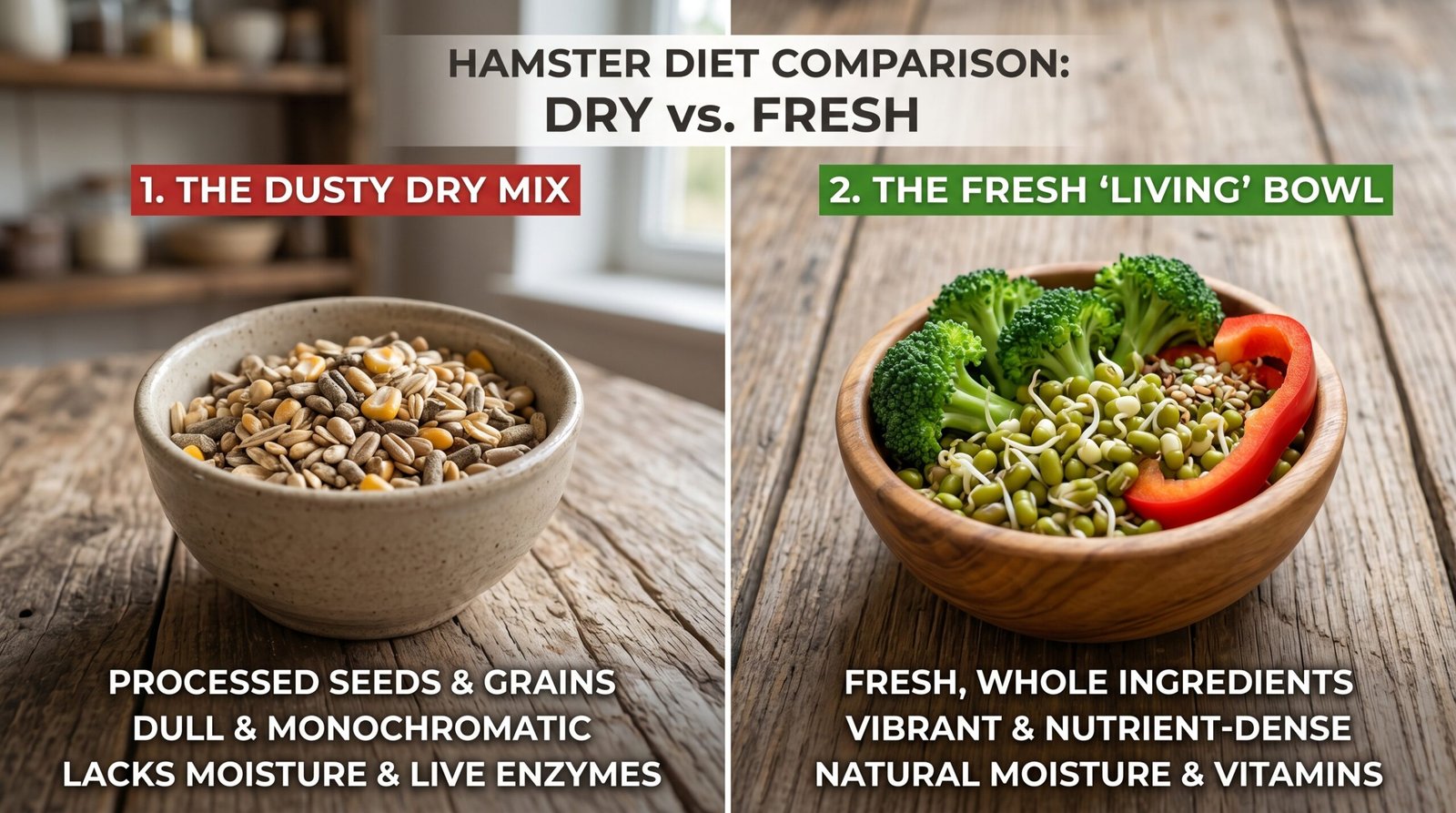
Table of Contents
If you have ever walked down the pet food aisle of a major retailer, you’ve seen the bright, colorful bags promising “complete and balanced nutrition” for your feathered or furry friends. As a long-time advocate for small animal welfare, I have spent over two decades dissecting the chemistry of these bags. Many of us start our journey as pet parents by grabbing the most expensive mix on the shelf, assuming the price tag guarantees health. But here is the million-dollar question: Are store-bought seed mixes enough to sustain a thriving, long-lived companion, or are they merely the “fast food” of the animal world?
The reality is nuanced. While these mixes provide the caloric baseline necessary for survival, there is a massive chasm between surviving and thriving. Imagine eating nothing but granola bars for the rest of your life. You’d get your calories, sure, but your skin, energy levels, and long-term organ function would eventually pay the price. In my years of consulting with veterinary nutritionists, I have seen firsthand how a seed-only diet leads to fatty liver disease, brittle plumage, and weakened immune systems. This guide is designed to help you look past the marketing and understand how to transform a basic diet into a powerhouse of longevity.
I remember a client, Mark, who came to me with a three-year-old cockatiel named Jasper. Jasper was lethargic, and his feathers looked dusty and frayed. Mark was frustrated because he bought the “Premium Gold” seed mix. After we transitioned Jasper to a supplemented diet—incorporating fresh sprouts, leafy greens, and specific pellets—the change was night and day. Within four months, Jasper was a vibrant, vocal bird again. This isn’t just about food; it’s about the biological fuel that drives every hop, chirp, and nuzzle. Let’s dive into why your store-bought mix needs a serious upgrade.
The Nutritional Gap: Why Are Store-Bought Seed Mixes Enough for Survival Only?
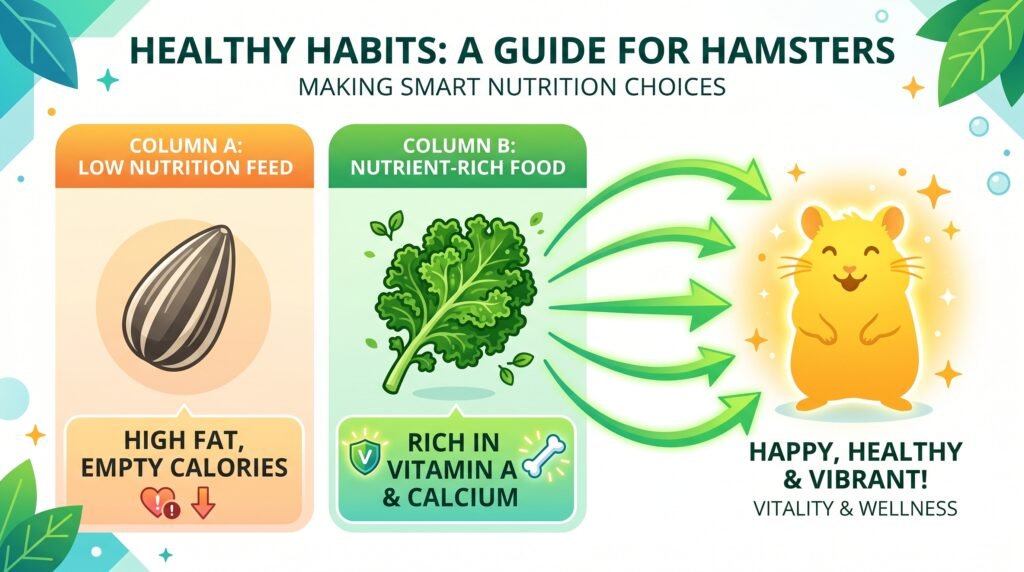
The short answer to the question, are store-bought seed mixes enough, is a resounding no if your goal is optimal health. Most commercial mixes are heavily weighted toward high-fat seeds like sunflower or safflower because they are cheap to produce and animals find them incredibly palatable.
The Problem with “Selective Feeding”
One of the biggest issues with seed mixes is that your pet isn’t eating the whole bag; they are “cherry-picking.” If you give a hamster or a parrot a bowl of mixed seeds, they will naturally hunt for the fattiest, tastiest morsels first—usually the sunflower seeds—and leave the nutrient-dense grains behind. This leads to a massive imbalance in Vitamin A and Calcium, two pillars of small pet health.
Nutrient Degradation and Shelf Life
Even if a mix is “fortified” with vitamins, those nutrients are often sprayed onto the hulls of the seeds. When the bird or rodent cracks the seed open, they discard the hull—and the vitamins along with it. Furthermore, vitamins like C and A degrade rapidly when exposed to light and air on warehouse shelves. By the time that bag reaches your pantry, the “added benefits” might be long gone.
Pro Tip: Look for “milled” or “cold-pressed” pellets within your mix, but don’t rely on them as the sole source of vitamins. Freshness is a quality that a sealed bag simply cannot replicate over months of storage.
Understanding the Hidden Dangers of High-Fat Seed Diets
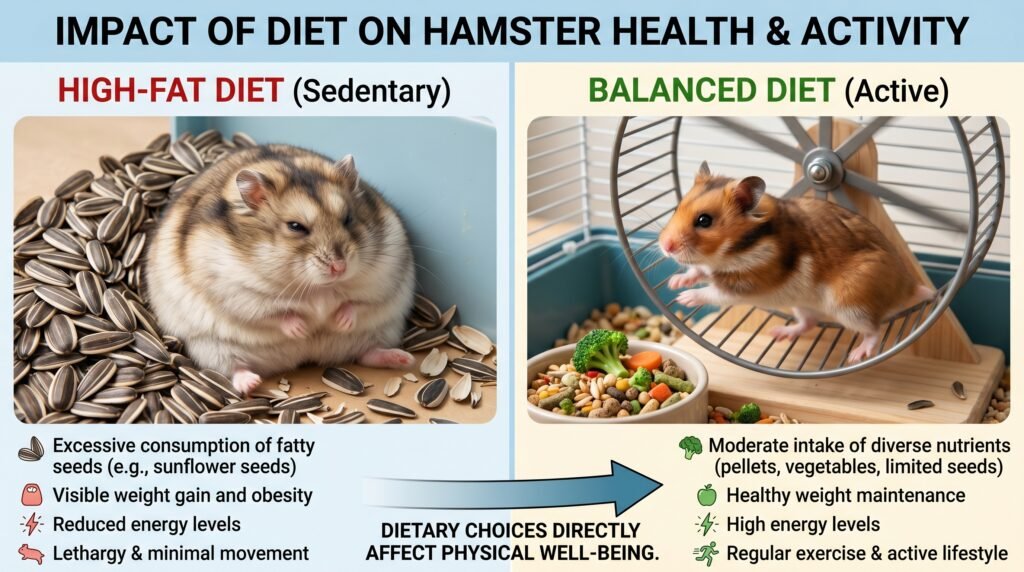
When we ask, are store-bought seed mixes enough, we must consider the physiological impact of a high-lipid diet. In the wild, animals travel miles a day to forage. In a cage or hutch, they simply don’t burn the calories found in oil-rich seeds.
Fatty Liver Disease (Hepatic Lipidosis)
This is the silent killer of the pet world. When an animal consumes more fat than it can process, the liver becomes an storage unit for lipids. Over time, the liver loses its ability to detoxify the blood. I have seen this most frequently in budgies and Amazons kept on 100% seed diets. Symptoms include an overgrown beak, black spots on feathers, or a distended abdomen.
The Obesity Epidemic in Small Mammals
It’s not just birds. Hamsters, gerbils, and rats are prone to obesity when fed unlimited seed mixes. According to data from the Association for Pet Obesity Prevention, over 50% of small household pets are overweight. This puts immense strain on their tiny hearts and joints.
| Seed Type | Fat Content (%) | Primary Nutrient |
| Sunflower | 49% | Vitamin E, Fats |
| Safflower | 38% | Omega-6 |
| Millet | 4% | Carbohydrates |
| Hemp Seed | 30% | Protein, Omega-3 |
How to Supplement for Health: The Power of Fresh Forage
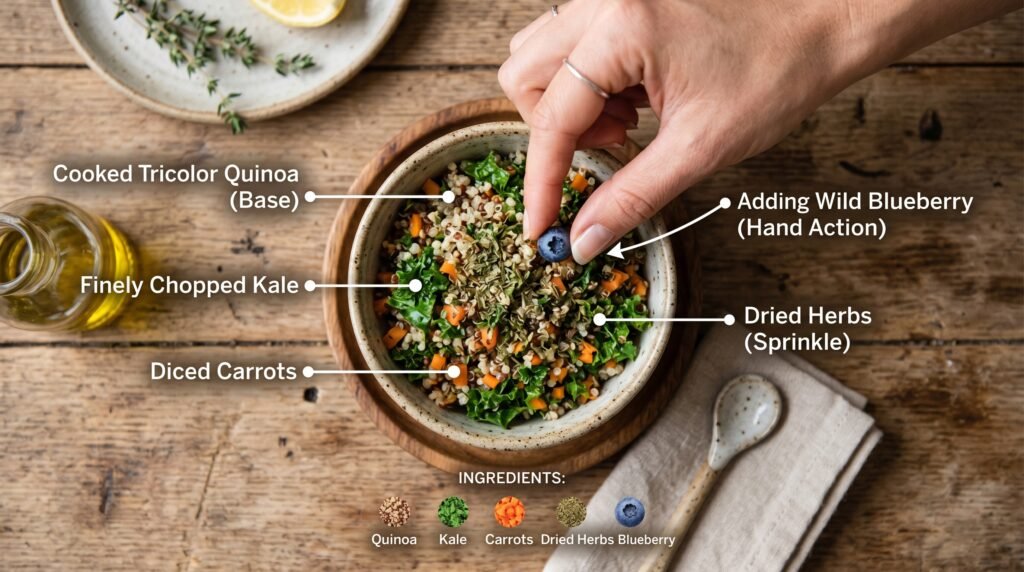
To move beyond the basic seed diet, you must introduce “living foods.” This mimics the natural diversity an animal would find in its native habitat. If you are wondering how to balance the scales, the answer lies in your local grocery store’s produce aisle.
The “Chop” Method for Birds and Reptiles
“Chop” is a finely minced mixture of vegetables, grains, and legumes. By mincing everything into tiny pieces, you prevent the animal from picking out only their favorites.
- Base: Kale, collard greens, or dandelion greens (High in Vitamin A).
- Structure: Sweet potato (cooked), carrots, or squash.
- Protein: Cooked quinoa or sprouted lentils.
Herbs and Floral Foraging
For rabbits and guinea pigs, store-bought mixes are often too high in colorful “bits” that are actually dyed corn or sugar. Instead, supplement with dried herbs like parsley, cilantro, and basil. These aren’t just treats; they are medicinal powerhouses. Dried hibiscus and rose petals also provide essential phytonutrients that you won’t find in a cardboard box of pellets.
Also Read: Best Safe Fruits and Vegetables for Hamsters
Sprouting: The Secret to Unlocking Seed Potential
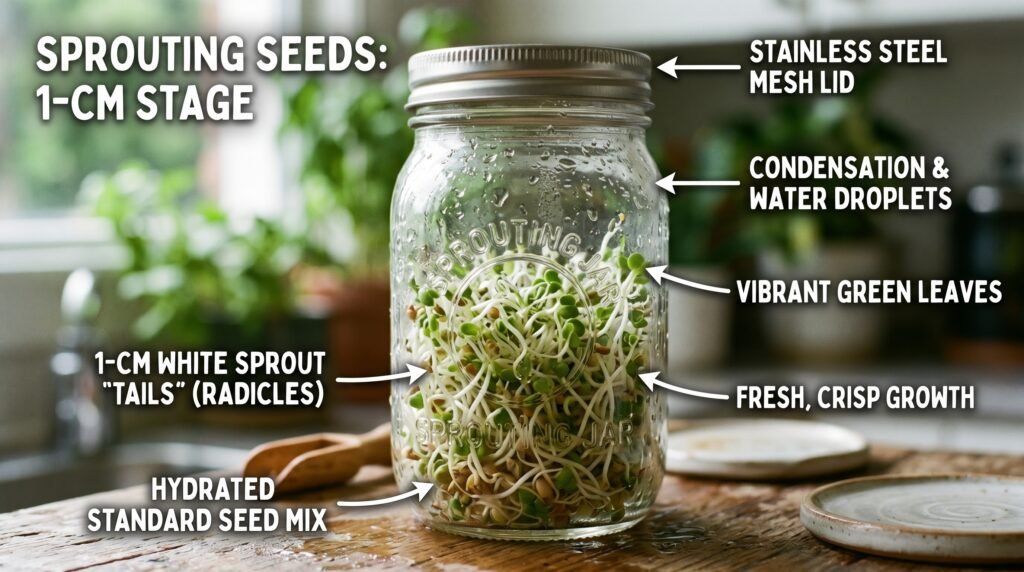
If you already have a bag and are asking, are store-bought seed mixes enough, you can actually make that bag better by sprouting the seeds. Sprouting is the process of soaking seeds until they begin to grow into tiny plants.
Why Sprouting Changes Everything
When a seed sprouts, its chemical composition changes. The stored fats are used up to fuel the growth, and the levels of bioavailable vitamins (especially Vitamin B and C) skyrocket. You are essentially turning “dead” dormant food into “living” nutritional gold.
4 Simple Steps to Sprouting
- Rinse: Take a tablespoon of your seed mix (avoiding those with dyed pellets) and rinse thoroughly.
- Soak: Leave them in a jar of water for 8-12 hours.
- Drain & Rinse: Use a mesh lid to drain the water and rinse the seeds twice a day.
- Serve: Within 24-48 hours, you’ll see tiny white tails. Feed them to your pet immediately!
Note: Always smell your sprouts. They should smell earthy and fresh. If they smell sour or fermented, toss them and start over to avoid bacterial growth.
The Role of High-Quality Pellets as a Foundation
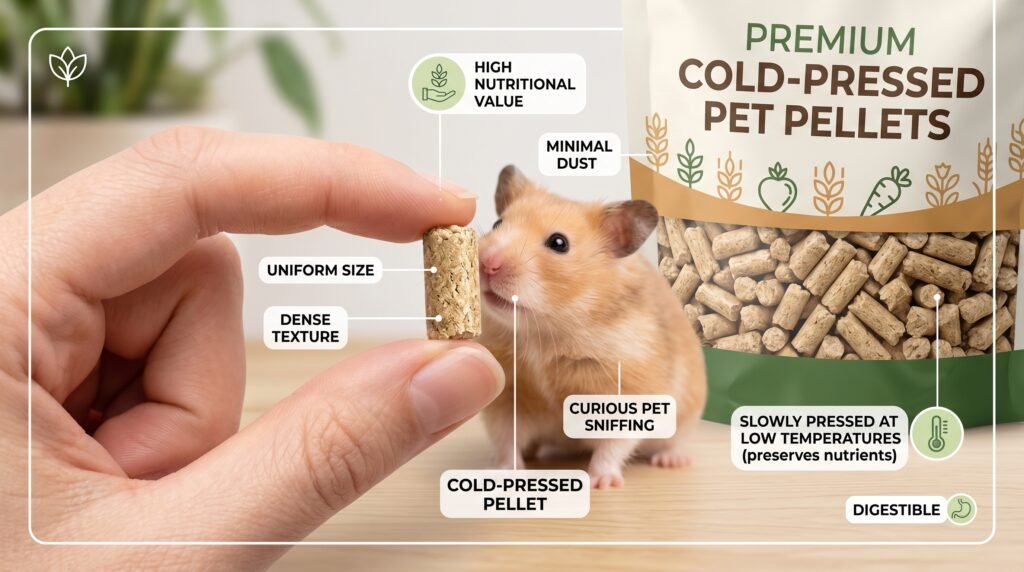
While seeds are the “junk food,” high-quality, cold-pressed pellets serve as the “multivitamin.” For many years, the industry standard was a 50/50 mix, but modern research suggests that for most parrots and small mammals, pellets should make up about 60-70% of the base diet, with seeds used primarily for training or foraging.
Finding the Right Pellet
Not all pellets are created equal. Avoid brands that list “Ground Corn” or “Soybean Meal” as the first three ingredients if possible. Look for brands that include whole grains, dried greens, and natural preservatives like Vitamin E (Tocopherols) rather than BHA or BHT.
Transitioning a “Seed Junkie”
It’s a common struggle. You buy the healthy stuff, and your pet looks at you like you’ve offered them a bowl of rocks. Transitioning takes patience. Start by grinding the pellets into a powder and sprinkling it over their favorite seeds. Gradually increase the ratio of pellets to seeds over 4-6 weeks. I once worked with a stubborn African Grey who took six months to switch—but her feather plucking stopped almost immediately once her nutrition was balanced.
Protein and Calcium: Don’t Forget the Essentials
In the quest to answer are store-bought seed mixes enough, we often overlook the specific needs of breeding animals or growing youngsters. Seeds are notoriously low in calcium and usable protein.
Calcium Sources Beyond the Cuttlebone
While a cuttlebone is a classic addition, many pets ignore them. For birds, crushed eggshells (boiled and baked for safety) can be mixed into food. For reptiles and small mammals, high-calcium greens like bok choy and turnip greens are vital. Calcium deficiency leads to metabolic bone disease (MBD), which causes tremors and brittle bones.
Healthy Protein Boosters
- For Omnivores (Rats, Hamsters): Small amounts of hard-boiled egg, mealworms, or even a tiny piece of plain cooked chicken.
- For Herbivores: Ensure they are getting a variety of legumes or specialized high-protein hay like Alfalfa (though only for young or pregnant animals, as it’s too rich for adults).
Enrichment and Foraging: The Mental Side of Feeding
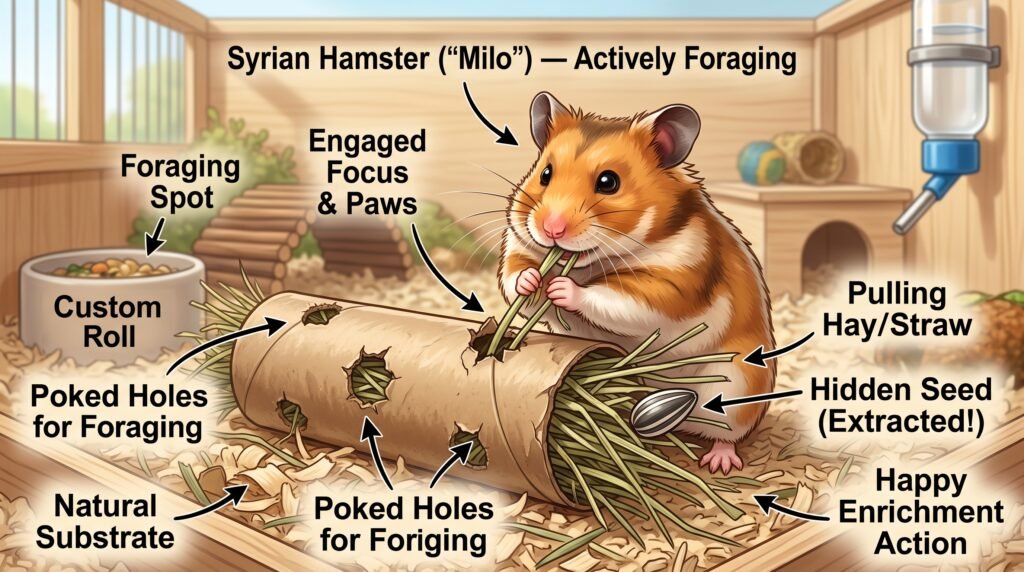
Feeding isn’t just about nutrient uptake; it’s about mental stimulation. In the wild, a parrot spends 70% of its waking hours looking for food. If you provide a bowl of seeds, they finish in five minutes. What do they do with the rest of their day? Usually, they get bored, stressed, or destructive.
Making Them Work for It
Stop using the food bowl as the primary source of calories. Use “foraging toys.” Hide seeds in crumpled paper, inside cardboard rolls, or in specialized acrylic puzzles. This slows down their eating—which helps with digestion—and burns mental energy.
The “Scatter Feeding” Technique
For rodents, scatter their food in the substrate rather than placing it in a bowl. This encourages their natural instinct to burrow and sniff out their meals. It transforms “dinner time” into an hour-long activity that keeps their brain sharp.
5 Proven Steps to Audit Your Pet’s Current Diet
If you are currently looking at your bag of feed and wondering, are store-bought seed mixes enough, follow this audit to see where you stand.
- Read the First Five: If corn, sunflower seeds, and sugar are the top ingredients, it’s a “treat” mix, not a “health” mix.
- Check for Dyes: If the mix contains bright red, green, and orange bits, these are often artificial dyes that provide no nutritional value and can cause allergic reactions.
- Smell the Bag: High-fat seeds go rancid quickly. A stale, “dusty,” or oily smell indicates the fats have oxidized, which is toxic over time.
- Observe the Waste: If your pet leaves 50% of the bag in the bottom of the bowl, you are paying for filler.
- Consult the Poop: Yes, really. A seed-only diet often results in loose, yellowish droppings. A balanced diet produces firm, well-formed waste.
Also Read: 20 Toxic Foods Never Feed your Hamster
The Verdict on Commercial Nutrition
So, we return to our core inquiry: Are store-bought seed mixes enough? While they provide the convenience we crave in our busy 2026 lives, they are rarely a complete solution. A seed mix should be viewed as a component—a base layer—upon which you build a vibrant, diverse nutritional profile.
By incorporating fresh vegetables, mastering the art of sprouting, and selecting superior pellets, you aren’t just “feeding” your pet. You are practicing preventative medicine. The cost of a few bunches of kale and a bag of high-quality pellets is significantly lower than the cost of an emergency vet visit for a respiratory infection or liver failure.
Your pet relies entirely on you to make these choices. When you transition from a “bag-only” mentality to a “whole-food” approach, you’ll see the difference in the brightness of their eyes, the sheen of their coat, and the vitality of their spirit. It’s a journey of discovery for both of you—and it starts with that very next meal.
FAQs
Q1: Can I just give my bird a multi-vitamin in their water instead of fresh food?
A: Water additives are often ineffective. Most vitamins degrade in water within hours, and the taste can discourage your pet from drinking, leading to dehydration. Fresh food is always the superior delivery method for nutrients.
Q2: Are all sunflower seeds bad for my hamster?
A: Not at all! They are great sources of Vitamin E. The problem is quantity. Think of them as “almonds” for humans—healthy in moderation, but you wouldn’t eat a whole bucket of them for dinner.
Q3: My pet refuses to eat vegetables. What should I do?
A: Persistence is key. Try different textures: grated, chopped, or whole leaves. Sometimes “steaming” vegetables like sweet potatoes makes them more palatable. Keep offering them daily; it can take weeks for a pet to try something new.
Q4: How often should I offer fresh supplements?
A: Ideally, fresh produce or sprouts should be offered daily. For most birds and small mammals, fresh food should make up about 20-30% of their daily intake, with the rest coming from pellets and a small amount of seeds.
Q5: Is it safe to pick dandelions from my backyard?
A: Only if you are 100% certain that your yard is free of pesticides, herbicides, and animal waste. If you aren’t sure, it is much safer to buy organic dandelions from a grocery store.
Conclusion
In conclusion, the question are store-bought seed mixes enough serves as a vital wake-up call for pet owners. While these products are a staple of the industry, they are merely a starting point. To ensure our pets live their longest, happiest lives, we must bridge the gap between “survival” and “thriving” through intentional supplementation. Whether it’s through the vibrant colors of a daily “chop,” the biological boost of home-grown sprouts, or the mental challenge of foraging, the effort you put into their diet today will pay dividends in health for years to come. Remember, a healthy pet starts with a healthy bowl.