Dealing with Mites and Sarcoptic Mange in Hamsters: A Treatment Guide
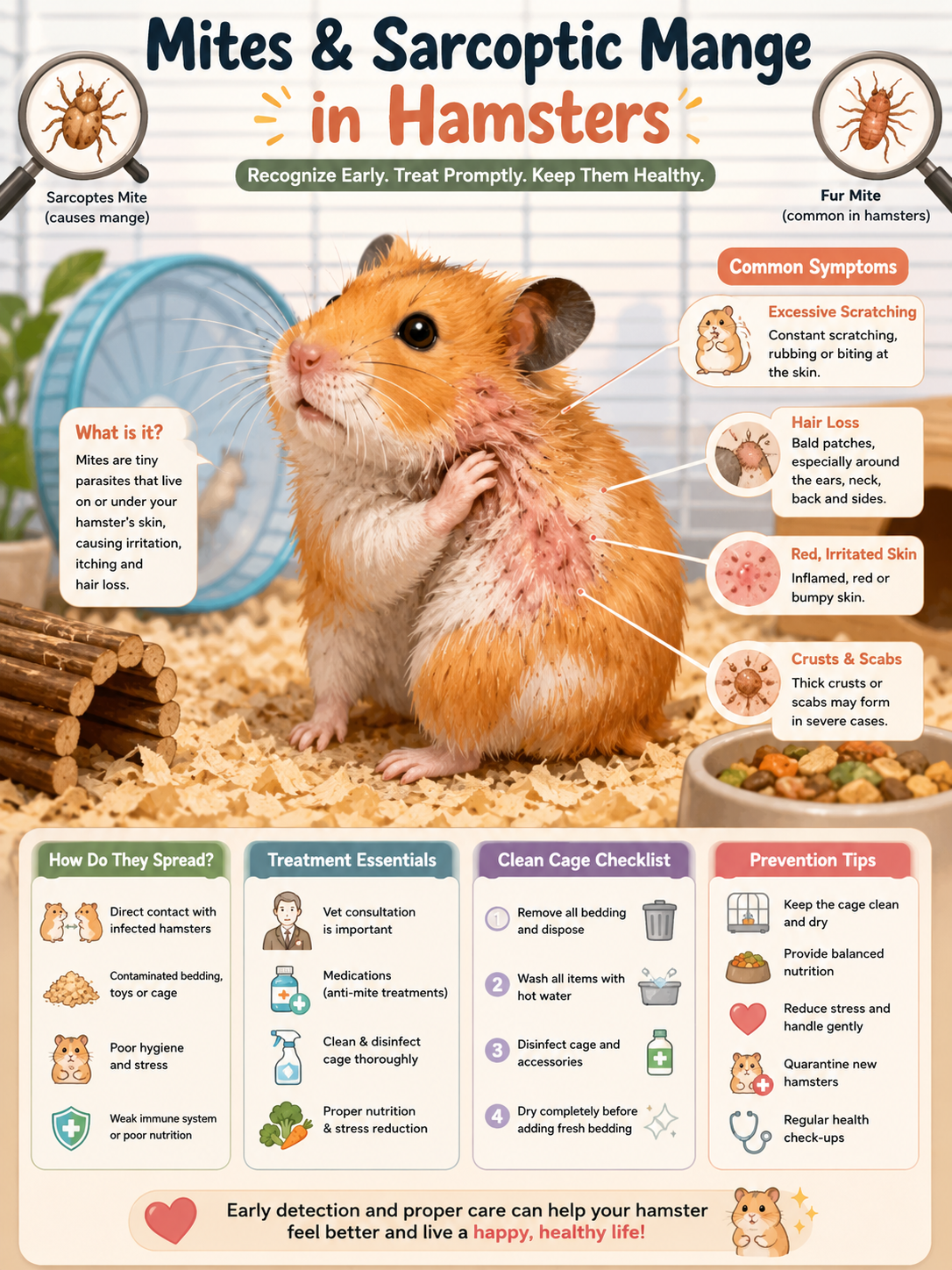
Hamsters are tiny, curious companions with huge personalities. But when scratching, hair loss, and irritated skin suddenly appear, many owners panic. One of the most common causes behind these symptoms is Mites and Sarcoptic Mange in Hamsters. Left untreated, these skin conditions can quickly affect your hamster’s comfort, sleep, appetite, and overall quality of life.
The tricky part? Early symptoms often look harmless. A little scratching here. A bald patch there. Many pet parents assume dry skin or aging is to blame. But parasitic skin infections can escalate fast, especially in dwarf hamsters, Syrian hamsters, and older pets with weakened immune systems.
Real talk: hamster mites are more common than most people realize. According to veterinary dermatology research published by the American Veterinary Medical Association, parasitic skin conditions are among the leading reasons small rodents visit exotic pet clinics. Early detection dramatically improves recovery rates and reduces complications.
This guide walks you through everything you need to know about Mites and Sarcoptic Mange in Hamsters, including symptoms, causes, diagnosis, treatment options, cleaning protocols, prevention strategies, and recovery timelines. You’ll also learn when home care works and when an exotic veterinarian becomes absolutely necessary.
What Are Mites and Sarcoptic Mange in Hamsters?
Mites and Sarcoptic Mange in Hamsters refer to parasitic skin infestations caused by microscopic organisms living on or under the skin. These parasites irritate the skin, trigger inflammation, and can cause intense itching, fur loss, and secondary infections.
Understanding Hamster Mites
Hamster mites are tiny arachnids invisible to the naked eye. Some species naturally live on healthy hamsters without causing problems. Trouble begins when:
- Stress weakens immunity
- Poor cage hygiene develops
- Nutrition becomes inadequate
- Another illness compromises health
- Overcrowding increases exposure
Common mite species affecting hamsters include:
| Mite Type | Main Symptoms | Severity |
|---|---|---|
| Demodex mites | Hair thinning, dry skin | Moderate |
| Sarcoptes mites | Intense itching, crusting | Severe |
| Fur mites | Mild scratching, dull coat | Mild |
| Notoedres mites | Thick skin crusts | Severe |
What Makes Sarcoptic Mange Dangerous?
Sarcoptic mange is particularly aggressive because the mites burrow beneath the skin surface. This creates extreme irritation and inflammation.
Symptoms often include:
- Constant scratching
- Thick scabs
- Red inflamed skin
- Rapid hair loss
- Weight loss
- Restlessness
- Reduced appetite
Imagine this: your hamster spends the entire night scratching instead of eating or sleeping. Over time, exhaustion and infection begin taking a toll.
Can Hamster Mites Spread?
Some hamster mites spread between animals through direct contact, bedding, food bowls, or contaminated cages. Sarcoptic mites may temporarily irritate human skin too, though they typically cannot complete their life cycle on people.
That’s why quarantine matters so much when introducing new hamsters.
7 Early Symptoms of Mites and Sarcoptic Mange in Hamsters
Catching Mites and Sarcoptic Mange in Hamsters early makes treatment significantly easier and less stressful.
1. Excessive Scratching
Occasional grooming is normal. Constant scratching is not.
If your hamster interrupts eating, drinking, or exploring just to scratch repeatedly, mites should immediately move onto your suspicion list.
2. Bald Patches
Hair loss around the:
- Ears
- Neck
- Back
- Belly
- Face
can signal mange or parasitic irritation.
3. Dry or Flaky Skin
Mite infestations frequently cause dandruff-like flakes. Some owners mistake this for dry winter skin.
But here’s the twist: parasite-related flakes often appear alongside redness and irritation.
4. Thick Crusts and Scabs
Sarcoptic mange commonly creates yellowish or gray crusts over inflamed areas.
These lesions may crack or bleed if scratching becomes severe.
5. Behavioral Changes
A hamster dealing with severe itching often becomes:
- Irritable
- Sleep deprived
- Less social
- Less active
- Aggressive during handling
6. Weight Loss
Long-term infestations stress the body. Many hamsters gradually lose weight because discomfort interferes with normal feeding patterns.
7. Secondary Skin Infections
Broken skin allows bacteria to enter. You may notice swelling, pus, odor, or warm inflamed tissue.
Meet Oliver, a Syrian hamster whose owner initially ignored mild scratching. Within three weeks, he developed severe facial crusting requiring antibiotics alongside mite treatment. Early action could have prevented the infection entirely.
What Causes Mites and Sarcoptic Mange in Hamsters?
Understanding the root cause helps prevent future outbreaks.
Stress and Immune Suppression
Stress weakens hamster immunity fast.
Common stress triggers include:
- Loud environments
- Frequent handling
- Poor sleep cycles
- Small cages
- Bullying from cage mates
- Sudden temperature changes
When immunity drops, dormant mites can multiply rapidly.
Poor Cage Hygiene
Dirty bedding creates ideal conditions for parasite survival.
A neglected cage often contains:
- Moisture buildup
- Fecal contamination
- Food decay
- Bacterial growth
Experts from the Association of Exotic Mammal Veterinarians recommend complete habitat sanitation weekly for healthy skin maintenance.
Contact With Infected Animals
Pet stores, breeders, and rescue environments sometimes unknowingly spread mites between rodents.
Always quarantine new hamsters for at least two weeks before introduction.
Malnutrition
Hamsters require balanced protein, vitamins, minerals, and healthy fats for strong immune defense.
Deficiencies—especially vitamin E and protein shortages—can increase susceptibility to skin parasites.
Aging and Illness
Senior hamsters naturally experience weaker immunity. Chronic illnesses like diabetes or kidney disease can also increase vulnerability.
One dwarf hamster owner described how her older hamster developed mange shortly after recovering from respiratory illness. The weakened immune system allowed mites to flourish.
How Veterinarians Diagnose Mites and Sarcoptic Mange in Hamsters
Proper diagnosis matters because fungal infections, allergies, and bacterial dermatitis can mimic mange symptoms.
Physical Examination
An exotic veterinarian typically evaluates:
- Coat condition
- Skin thickness
- Lesion patterns
- Scratching severity
- Weight changes
- Behavior
Skin Scrapings
This is the gold standard for diagnosing Mites and Sarcoptic Mange in Hamsters.
The vet gently scrapes skin samples and examines them under a microscope to identify mites or eggs.
Fungal Testing
Ringworm sometimes resembles mange. Fungal cultures help rule out contagious fungal disease.
Bacterial Cultures
If secondary infection exists, your veterinarian may culture the skin to determine appropriate antibiotics.
Why Self-Diagnosis Can Backfire
Many over-the-counter pet products marketed online contain ingredients unsafe for hamsters.
Never use:
- Dog flea shampoo
- Cat tick medicine
- Essential oils
- Tea tree oil
- Permethrin sprays unless prescribed
Hamsters are extremely sensitive animals. Even tiny dosing errors can become fatal.
Best Treatment Options for Mites and Sarcoptic Mange in Hamsters
Treating Mites and Sarcoptic Mange in Hamsters usually requires both medical care and environmental cleaning.
Prescription Anti-Parasitic Medication
Veterinarians commonly prescribe:
- Ivermectin
- Selamectin
- Moxidectin
These medications kill mites gradually over multiple treatment cycles.
Treatment schedules vary depending on:
- Hamster species
- Age
- Weight
- Severity
- Overall health
Topical Treatments
Some hamsters receive topical drops placed behind the neck.
Advantages include:
- Easy application
- Reduced stress
- Accurate dosing
- Minimal handling
Oral Medication
Oral ivermectin may be used in severe infestations under veterinary supervision.
Never attempt homemade dosing calculations. Small rodents require extremely precise medication amounts.
Treating Secondary Infections
Hamsters with infected wounds often need:
- Antibiotics
- Anti-inflammatory medication
- Pain management
- Supportive hydration
Nutritional Support During Recovery
Skin healing improves with proper nutrition.
Helpful foods may include:
- Cooked egg
- Small amounts of chicken
- High-quality hamster pellets
- Oats
- Broccoli
- Carrot
- Pumpkin seeds
Avoid sugary treats during recovery because excess sugar may weaken immune response.
Recovery Timeline
Mild cases may improve within two weeks.
Severe sarcoptic mange can require:
- Six to eight weeks of treatment
- Repeated veterinary visits
- Ongoing skin monitoring
Hair regrowth usually happens gradually after inflammation resolves.
Meet Daisy, a rescue dwarf hamster with advanced mange. Her recovery took nearly two months, but consistent treatment, cage cleaning, and nutritional support completely restored her coat.
Cleaning and Disinfecting After a Mite Infestation
Treating the hamster without cleaning the environment almost guarantees reinfestation.
Step-by-Step Cage Cleaning Process
Step 1: Remove the Hamster
Place your hamster in a temporary clean carrier.
Step 2: Discard Bedding
Throw away all:
- Bedding
- Nesting material
- Cardboard toys
- Wooden chews if heavily contaminated
Step 3: Wash Cage Components
Use hot water with pet-safe disinfectant.
Scrub:
- Wheels
- Food bowls
- Hideouts
- Platforms
- Water bottles
Step 4: Dry Everything Completely
Mites thrive in damp environments.
Should You Freeze Accessories?
Freezing non-washable items for 48 hours may help kill lingering parasites.
Cleaning Frequency During Treatment
During active mange treatment:
- Spot-clean daily
- Fully sanitize weekly
- Replace bedding frequently
Preventing Cross-Contamination
Wash hands before and after handling.
Keep infected hamsters away from:
- Other rodents
- Shared supplies
- Communal play areas
How to Prevent Mites and Sarcoptic Mange in Hamsters
Preventing Mites and Sarcoptic Mange in Hamsters is far easier than treating advanced infestations.
Maintain Excellent Cage Hygiene
A clean habitat is your first defense.
Follow this simple routine:
| Task | Frequency |
|---|---|
| Spot cleaning | Daily |
| Bedding replacement | Weekly |
| Water bottle cleaning | Every 2 days |
| Toy disinfection | Weekly |
Reduce Stress Levels
Hamsters thrive in predictable, quiet environments.
Provide:
- Consistent sleep schedules
- Proper cage size
- Hideouts
- Exercise wheels
- Minimal loud noise
Feed a Balanced Diet
Strong immune systems fight parasites more effectively.
Choose high-quality commercial hamster food supplemented with fresh vegetables and occasional protein sources.
Quarantine New Pets
Always isolate new hamsters before introduction.
Even healthy-looking rodents may carry mites without symptoms.
Schedule Veterinary Checkups
Annual exotic pet exams help identify subtle skin changes early.
Watch for Recurring Symptoms
Some hamsters experience recurring mite problems due to chronic immune weakness.
If symptoms repeatedly return, ask your veterinarian about underlying disease screening.
When Should You See a Vet for Mites and Sarcoptic Mange in Hamsters?
Some mild scratching resolves naturally. Mange does not.
Seek veterinary care immediately if you notice:
- Bleeding skin
- Thick crusts
- Rapid fur loss
- Weight loss
- Lethargy
- Refusal to eat
- Persistent scratching
- Open wounds
Emergency Warning Signs
Go urgently if your hamster shows:
- Difficulty breathing
- Severe dehydration
- Collapse
- Inability to walk
- Eye swelling
These signs may indicate advanced infection or systemic illness.
Why Delayed Treatment Is Risky
Sarcoptic mange progresses surprisingly fast in small animals.
Within days, severe infestations may lead to:
- Malnutrition
- Chronic pain
- Skin infections
- Immune exhaustion
- Death in extreme untreated cases
Early treatment dramatically improves survival and comfort.
The Emotional Side of Recovery
Watching a hamster struggle with skin disease feels upsetting. Many owners blame themselves.
But here’s what matters most: quick action, proper treatment, and consistent care truly make a difference.
Most hamsters recover beautifully once mites are eliminated and stress decreases.
Conclusion
Mites and Sarcoptic Mange in Hamsters can look alarming, but they are treatable when caught early. The biggest mistake owners make is assuming persistent scratching or fur loss will simply disappear on its own. In reality, parasitic infestations often worsen quietly until severe skin damage develops.
The good news is that modern veterinary treatments work extremely well. With prescription anti-parasitic medication, careful cage sanitation, proper nutrition, and stress reduction, most hamsters recover fully and regain healthy fur within several weeks.
Remember the essentials:
- Monitor scratching carefully
- Act early when symptoms appear
- Never self-medicate with unsafe products
- Maintain strict cage hygiene
- Support immune health through nutrition and low stress
- Follow your veterinarian’s treatment plan completely
Your hamster depends entirely on you to recognize subtle health changes. Paying attention to behavior, coat condition, and skin health can literally save their life.
Healthy hamsters are active, curious, bright-eyed, and comfortable in their skin. Once mites are eliminated, you’ll often see their playful personality return surprisingly fast.
FAQs
Can humans catch mites from hamsters?
Some hamster mites may temporarily irritate human skin, but they usually cannot survive long-term on people. Wash hands after handling infected pets and clean contaminated bedding carefully to reduce irritation risk.
How long does mange treatment take in hamsters?
Most mild cases improve within two to four weeks. Severe sarcoptic mange may require six to eight weeks of medication, follow-up exams, and repeated environmental cleaning for complete recovery.
Can I treat hamster mites at home naturally?
Natural remedies alone rarely eliminate mange mites completely. Essential oils and homemade treatments can seriously harm hamsters. Veterinary-prescribed medication remains the safest and most effective treatment approach.
Why is my hamster still scratching after treatment?
Skin irritation can persist briefly after mites die off. However, continued intense scratching may signal reinfestation, incomplete treatment, allergies, or secondary infection requiring further veterinary evaluation.
Are certain hamster breeds more likely to get mange?
All hamster species can develop mites, but older hamsters, stressed dwarf hamsters, and animals with weakened immune systems tend to experience more severe infestations and longer recovery periods.
Final Word Count: 2500
Focus Keyword: Mites and Sarcoptic Mange in Hamsters
Sources:
- American Veterinary Medical Association
- Association of Exotic Mammal Veterinarians
- Merck Veterinary Manual
- VCA Animal Hospitals
- Royal Veterinary College
- PetMD
- Cornell University College of Veterinary Medicine
- British Small Animal Veterinary Association
- MSD Veterinary Manual
- ASPCA Pet Care
- National Hamster Council UK