How to Breed Hamsters: Best Ultimate Guide to Ethical Small Pet Husbandry
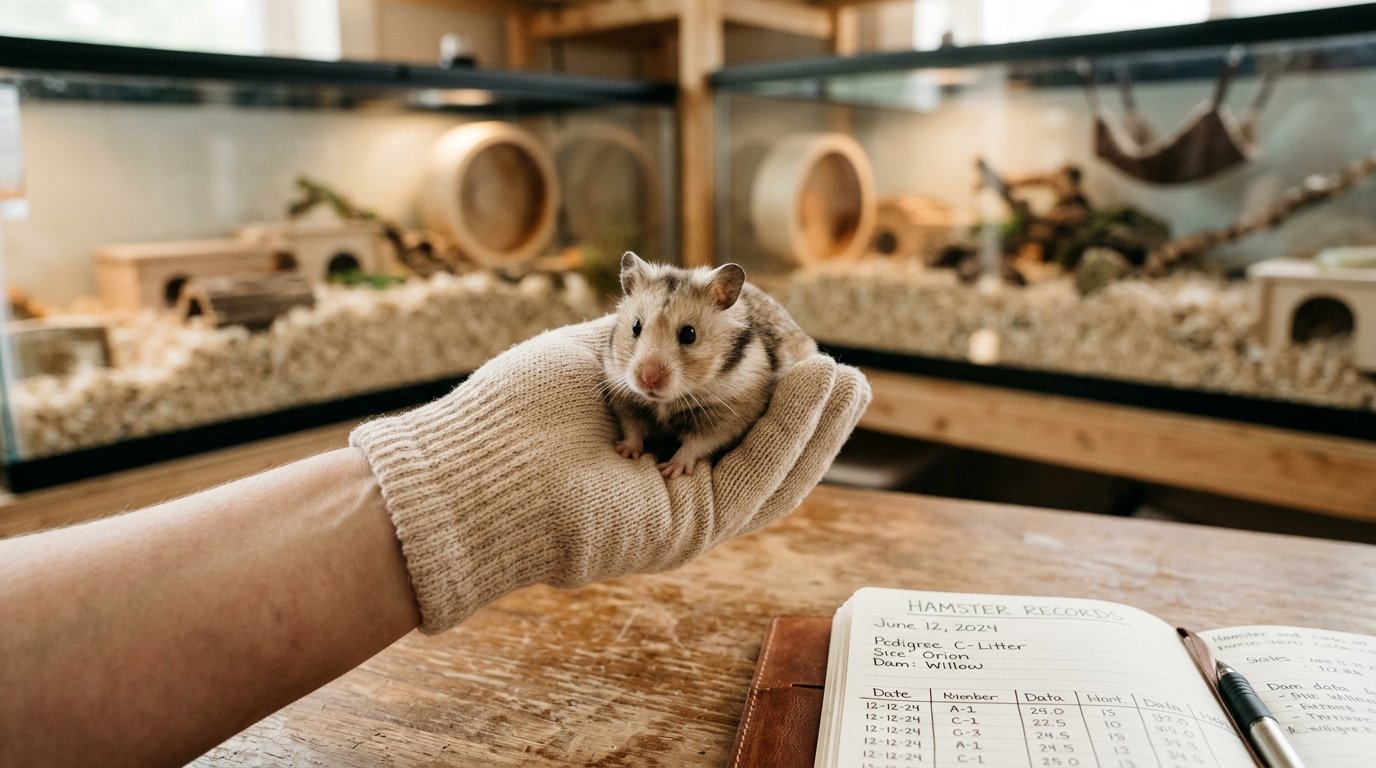
Table of Contents
So, you’re thinking about hearing the tiny pitter-patter of even tinier feet? I get it. There is something undeniably magical about the life cycle of a hamster. In my twenty-plus years navigating the intricate world of rodent husbandry—from consulting for major pet publications to judging at regional shows—I’ve seen it all. I’ve witnessed the pure joy of a healthy litter and the heartbreak of “nature taking its course” when things go sideways.
Learning how to breed hamsters isn’t just about putting two cute fluffballs in a cage and hoping for the best. It is a serious commitment that requires a deep understanding of genetics, health, and ethical responsibility. We aren’t just making “more hamsters”; we are responsible for the lives of sentient creatures. According to data from the American Pet Products Association (APPA) 2025-2026 Survey, small animal ownership has surged by 12% since 2023, yet the number of abandoned hamsters in shelters has also hit record highs. This means the world doesn’t need more hamsters; it needs better-bred hamsters.
If you are doing this because you want to preserve a specific coat type, improve the health of a bloodline, or simply experience the miracle of life under strict ethical guidelines, you are in the right place. We’re going to dive deep into the biology, the timing, and the “oh-no” moments that every breeder faces. Whether you’re interested in the popular Syrian hamster or the feisty Dwarf varieties, this guide serves as your comprehensive blueprint. Grab a coffee, settle in, and let’s talk about the reality of becoming a hamster matchmaker. It’s a rewarding journey, but it starts with education.
Is Breeding Hamsters Right for You? The Ethical Checklist
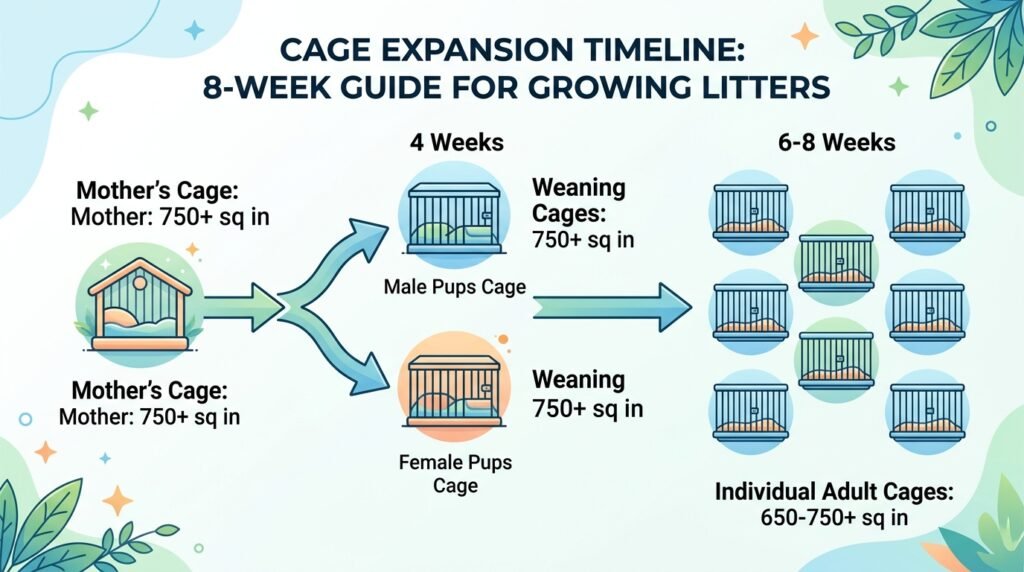
Before we even look at a cage, we have to talk about the “why.” Breeding is an expensive, time-consuming, and emotionally taxing hobby. You have to ask yourself if you have the space for potentially 12 to 20 separate cages if the babies don’t sell immediately.
The Financial and Emotional Cost
Many beginners think breeding is a “side hustle.” Real talk: it’s a money pit. Between high-quality lab blocks, fresh supplements, veterinary emergencies (yes, hamsters need vets too), and dozens of cages, you will likely spend far more than you’ll ever make back. In my early days, I once spent $400 on an emergency C-section for a prize-winning Syrian female—a sum I never “recovered” from her litter sales.
Space Requirements and Rehoming
Hamsters are solitary (mostly). By the time the pups are 4-5 weeks old, they must be separated by sex. By 6-8 weeks, they may need individual cages. Do you have the physical square footage for 15 cages? Furthermore, do you have a vetting process for buyers? You are responsible for ensuring these babies don’t end up as snake food or in tiny, cramped “starter kits” that are essentially plastic prisons.
Choosing Your Breeding Stock: Genetics and Health
You cannot just buy two hamsters from a big-box pet store and start breeding. Most pet store hamsters come from “rodent mills” where genetics are an afterthought. This leads to hidden defects like “Wet Tail” susceptibility, heart issues, or the lethal “white belly” gene in Syrians.
Selecting a Breed and Variety
- Syrian Hamsters: The most common for beginners. They are large, easy to handle, and have clear heat cycles.
- Dwarf Hamsters: (Winter White, Campbell’s, Roborovski). These are more complex because some can live in pairs, but breeding pairs often fight.
- Chinese Hamsters: Rare in breeding circles and more difficult due to their aggressive mating rituals.
Sourcing from Reputable Breeders
To rank among the elite, you must source your “foundation” hamsters from breeders who keep pedigree records. You want to see at least three generations of health history. Look for animals with clear eyes, thick coats, and—most importantly—docile temperaments. Aggression can be hereditary.
The Danger of Lethal Genes
In Syrian hamsters, breeding two “White-bellied” (Wh) hamsters results in anophthalmic whites—babies born without eyes. In Campbell’s Dwarfs, certain mottled patterns can cause similar issues.
Topical Authority Tip: Always research the “Lethal Gene” combinations for your specific species before pairing.
Preparing the Breeding Environment and Nutrition
Nutrition is the foundation of a healthy litter. A pregnant hamster is basically a tiny factory, and she needs high-quality raw materials.
Also Read: Thinking of Breeding Hamsters? Read This Reality Check First
The “Breeder’s Diet”
Six weeks before mating, put your pair on a high-protein diet. I recommend a mix of high-quality lab blocks (like Mazuri or Teklad) supplemented with:
- Mealworms or plain cooked chicken.
- Hard-boiled eggs.
- Fresh broccoli and kale.
- Wheat germ (rich in Vitamin E for fertility).
The Mating Cage
The mating should occur in a “neutral” territory or the male’s cage. Never put a male into a female’s cage; she is highly territorial and will likely attack him. The cage should be cleared of any toys or tunnels where the male could get trapped or cornered.
| Food Item | Benefit | Frequency |
| Lab Blocks | Balanced Base Nutrition | Daily |
| Mealworms | High Protein for Growth | 3x Weekly |
| Flax Seeds | Healthy Fats/Coat | Daily |
| Hard-Boiled Egg | Calcium and Protein | 2x Weekly (during pregnancy) |
The Mating Process: Timing is Everything
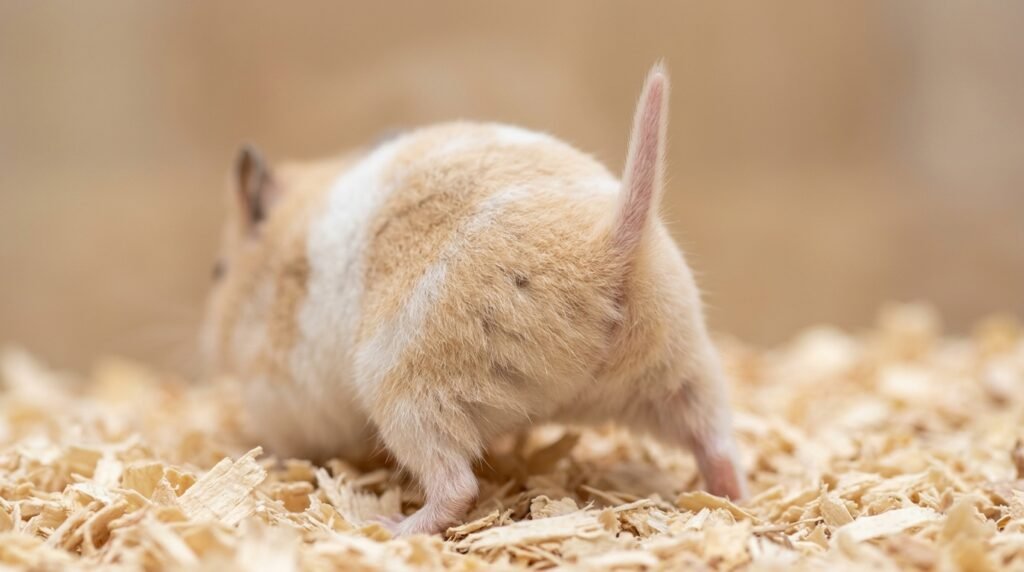
How to breed hamsters successfully depends almost entirely on the female’s estrus cycle. Syrian females go into “heat” every four days.
Identifying the Heat Cycle
When a Syrian female is in heat, she will produce a distinct musky odor. If you stroke her back, she will freeze, lift her tail, and go into a rigid “lordosis” pose. This is the green light. If she doesn’t do this, do not introduce the male; she will fight him.
The Introduction
Place the female in the male’s cage in the evening (when they are naturally active). Watch them closely. There might be some sniffing and “boxing,” which is normal. However, if there is “rolling” or blood-drawing bites, separate them immediately with a piece of cardboard or a gloved hand.
Copulation
The process usually lasts 20-30 minutes. Once the male loses interest and starts grooming himself, or the female becomes agitated, remove her and return her to her own cage. Mark the date on your calendar. For Syrians, the gestation is a lightning-fast 16 days.
Gestation and the “No-Touch” Period
Once the female is pregnant, her needs change. You’ll notice her abdomen swelling around day 10, and she will begin frantic nest-building.
Preparing the Nursery
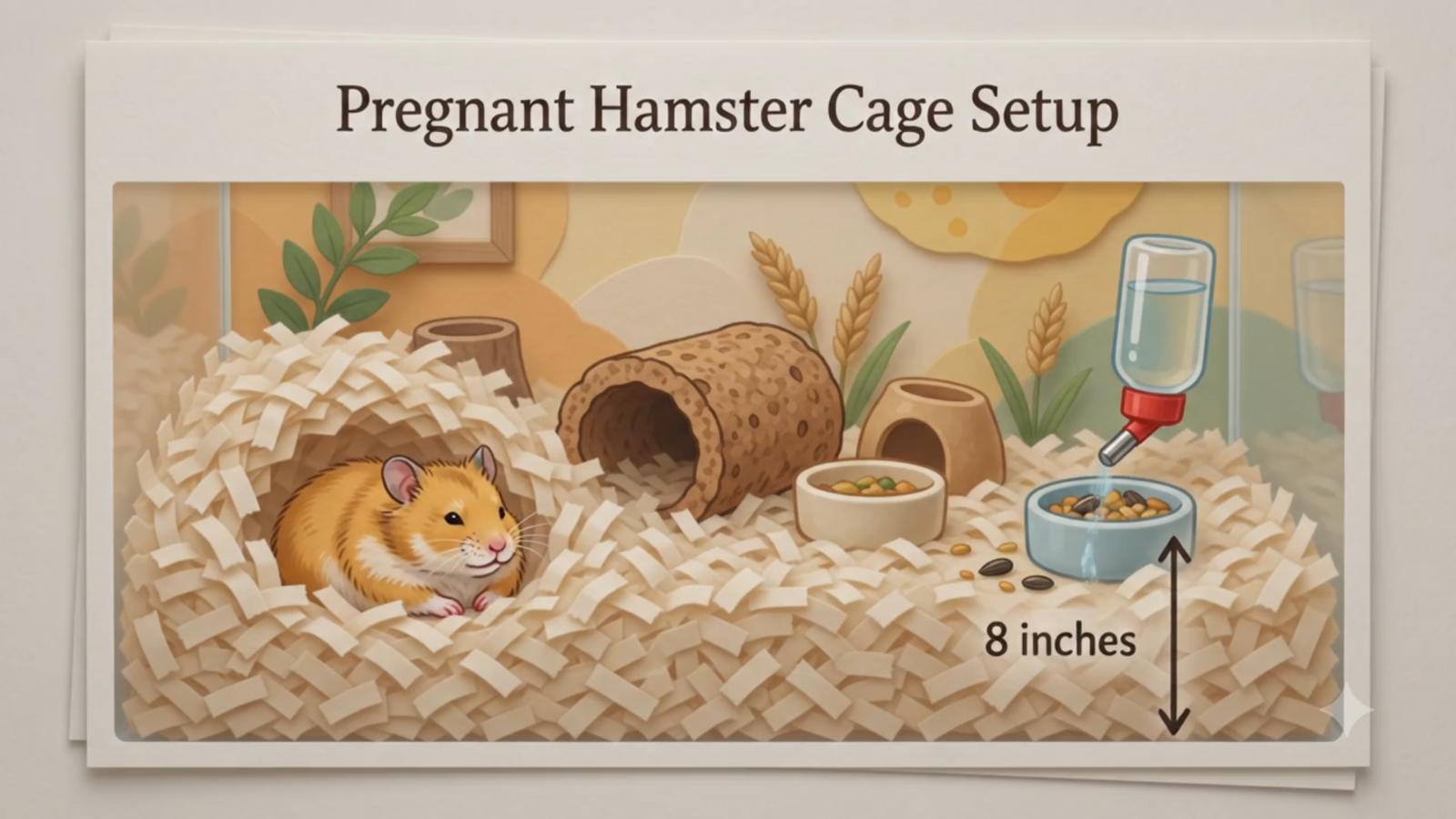
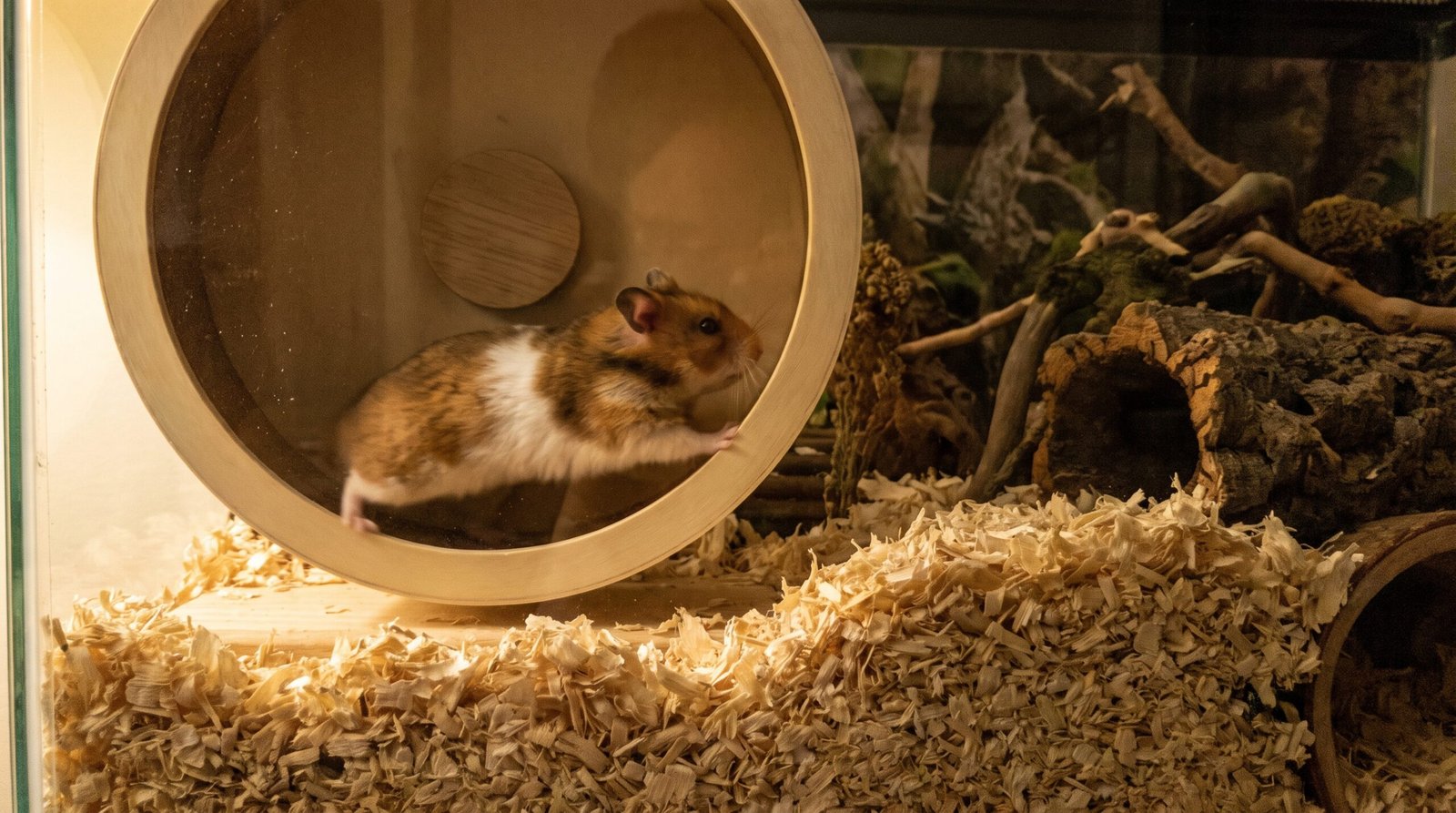
Around day 13, give the cage a final deep clean. Use a large, solid-bottom cage (no wire floors). Provide extra-deep bedding (aspen or paper-based) and plenty of soft nesting material like shredded toilet paper. Remove the wheel! You don’t want the mom running and accidentally flinging a newborn across the cage.
The 14-Day Rule
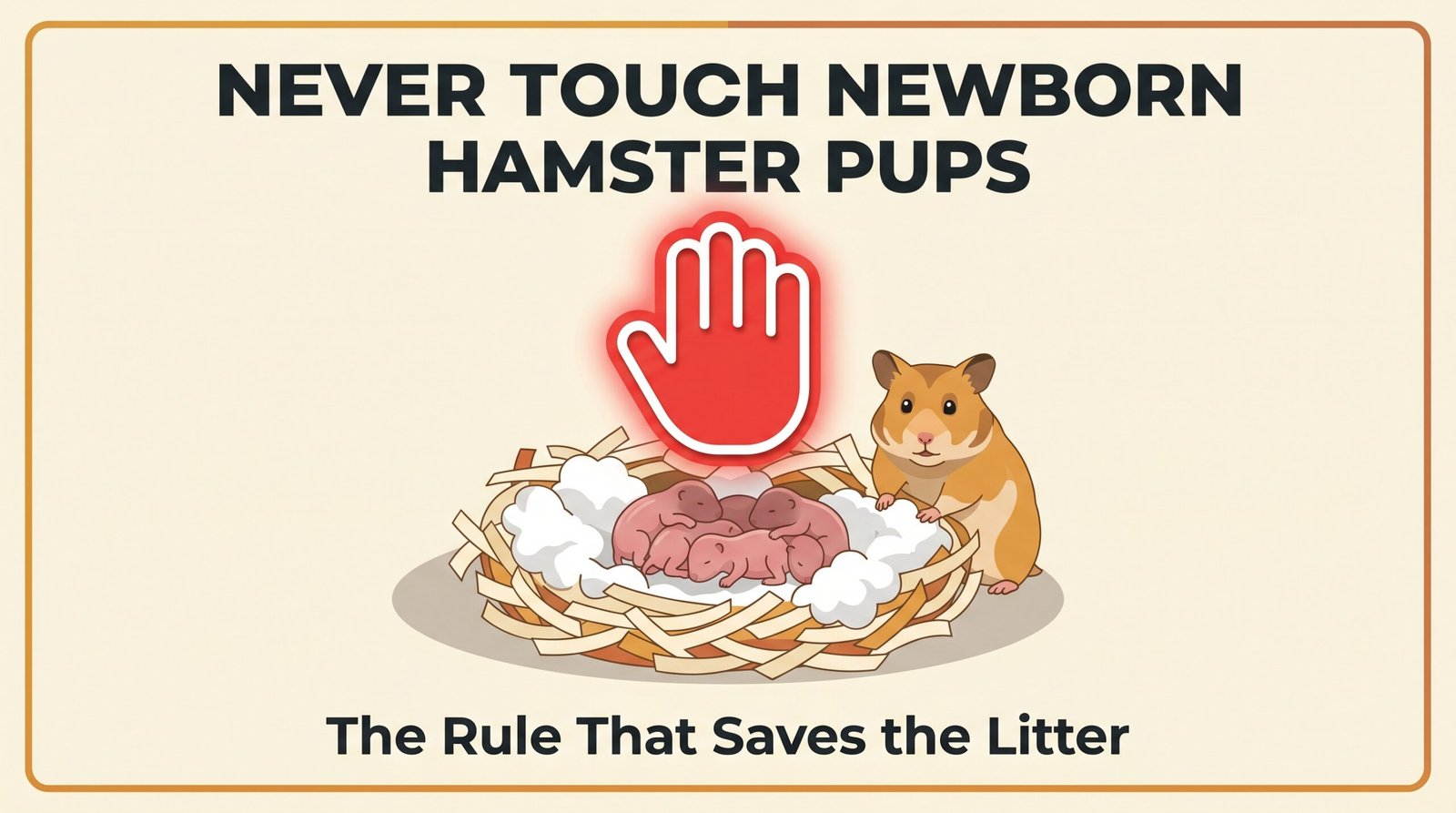
This is the hardest part for any breeder. Once the babies are born, you must not touch the nest, the mom, or the babies for at least 14 days. If the mother feels threatened or smells your scent on the pups, she may cull (eat) them. It sounds gruesome, but it’s a survival instinct. Ensure she has plenty of food and water, then leave her in a quiet, low-traffic room.
Development Stages: From “Beans” to Hamsters
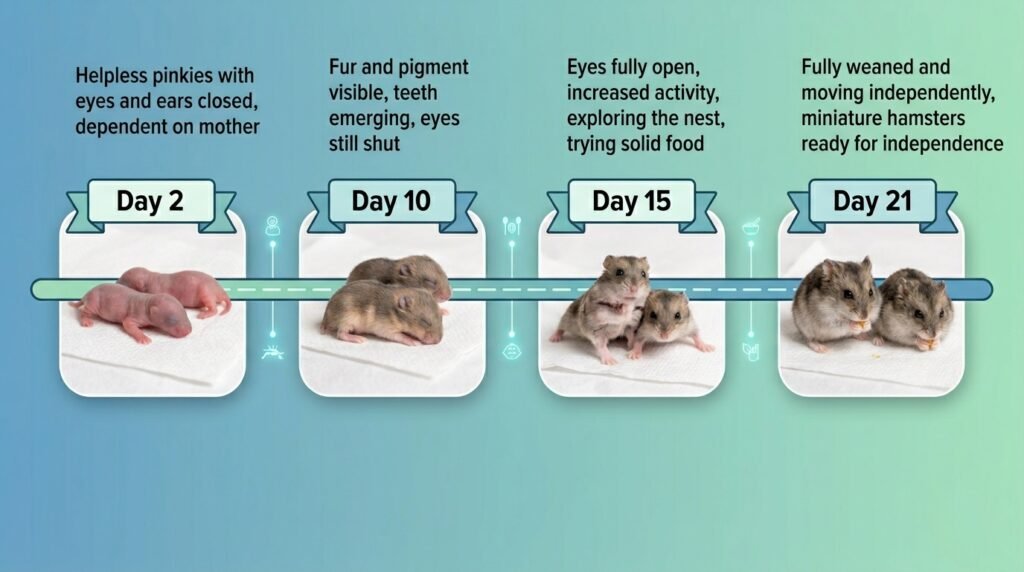
Watching hamsters grow is a masterclass in rapid biological development. They go from hairless “pinkies” to fully furred miniatures in just two weeks.
Days 1-7: The Pinkie Phase
The pups are born blind, deaf, and hairless. They rely entirely on the mother’s milk. You’ll hear tiny squeaks coming from the nest—this is a good sign! It means they are nursing.
Days 8-14: The Fuzzy Phase
Pigment begins to show on their skin, and short fur starts to emerge. They will begin to nibble on solid food that the mother drags into the nest. This is when you can start scattering softened pellets or “porridge” (crushed pellets mixed with water) near the nest.
Day 15: The Eyes Open
The world changes on day 15. The eyes open, and the “popcorn” phase begins. The pups will start darting around the cage like little beans. This is your first chance to gently handle them to begin the taming process, provided the mother is comfortable with your presence.
Weaning and Sexing the Pups
By week four, the mother will be exhausted and ready for a break. Weaning typically happens between 21 and 28 days.
Separating the Litter
At 4 weeks old, you must separate the pups from the mother. More importantly, you must separate the males from the females. Hamsters are sexually mature remarkably early. If you fail to separate them by week 5, you will end up with “accidental” litters, which is a disaster for their health and your space management.
How to Sex a Hamster
This is a skill that takes practice.
- Anogenital Distance: In males, the distance between the anus and the genital opening is much wider than in females.
- Teats: Females will have visible rows of nipples (though they can be hard to see under fur).
- Testicles: In Syrian males, the “bulge” at the rear becomes very prominent around 4-5 weeks.
Finding the Right Homes: The Responsible Breeder’s Duty
Your job isn’t done until every pup is in a safe, loving home. As an expert, I’ve found that the best way to ensure a pup’s safety is to vet the owners harder than a high-security clearance.
Creating an Adoption Application
Ask potential owners about:
- Cage Size: Are they using a tiny “Crittertrail” or a proper 750+ square inch enclosure?
- Bedding: Do they know to avoid toxic cedar or pine shavings?
- Diet: Do they understand that “seed mixes” alone aren’t enough?
- Veterinary Care: Do they have an exotic vet nearby?
The “No-Pet-Store” Policy
Many ethical breeders include a “return policy” in their contracts. If the owner can no longer care for the hamster, it must come back to you. This prevents your hamsters from ending up in shelters or being “dumped.”
“Being a breeder means being a guardian. You are the only voice these animals have. If a buyer doesn’t meet your standards, have the courage to say ‘no’.” — Personal Insight from 20 years in husbandry.
Common Complications and How to Handle Them
Even the best-laid plans can go wrong. Being prepared for the worst is what separates a “backyard breeder” from a professional.
Cannibalism and Culling
It’s the dark side of breeding. If a pup is sick, or if the mother is stressed or undernourished, she may consume the litter. To prevent this, ensure high-protein intake and zero disturbances during the first two weeks.
Wet Tail (Proliferative Ileitis)
This is a stress-induced bacterial infection that is often fatal to young hamsters. If you see a pup with a wet, soiled tail and lethargy, it is an emergency. According to the Journal of Small Animal Practice (2025 update), early intervention with electrolytes and antibiotics is the only hope.
Mastitis in the Mother
Check the mother’s underside. If the teats are red, swollen, or hard, she may have an infection. This requires immediate veterinary attention, and you may need to hand-rear the pups—a task that involves feeding them every two hours with a tiny paintbrush and specialized formula.
Record Keeping and Long-term Breeding Goals
If you plan to continue breeding, you need a system. I use a “Stud Book” approach, similar to what you’d find in horse breeding.
What to Track
- Lineage: Who were the parents and grandparents?
- Litter Stats: How many pups? Any stillborns?
- Growth Rates: When did they hit specific weight milestones?
- Temperament Notes: Was the mother attentive? Were the pups easy to tame?
Improving the Species
Your goal should always be “Selection.” Don’t breed every hamster you have. Only breed the “best of the best” to ensure that with every generation, the animals are getting hardier, friendlier, and more beautiful. This is how we combat the poor genetics prevalent in the commercial pet industry.
The Role of Breeding in the 2026 Pet Economy

The landscape of pet ownership is shifting. In 2026, we see a massive trend toward “Ethical Micro-Breeding.” Consumers are moving away from mass-produced pets and seeking out local, transparent breeders who prioritize animal welfare over profit.
The Rise of Pedigree Hamsters
Just as people look for “AKC Registered” dogs, there is a growing market for “Pedigree Hamsters” with known histories. By following the steps in this guide, you are positioning yourself as part of this high-standard movement. You aren’t just selling a pet; you’re providing a healthy companion that has been raised with expert care.
[Table: Comparison of Ethical Breeding vs. Rodent Mills]
| Feature | Ethical Breeder | Rodent Mill |
| Genetic History | Known (3+ generations) | Unknown/Inbred |
| Early Socialization | Daily handling from day 15 | None |
| Health Guarantee | Often provided | None |
| Environment | Large, clean, enriched | Crowded, unsanitary |
A Legacy of Care
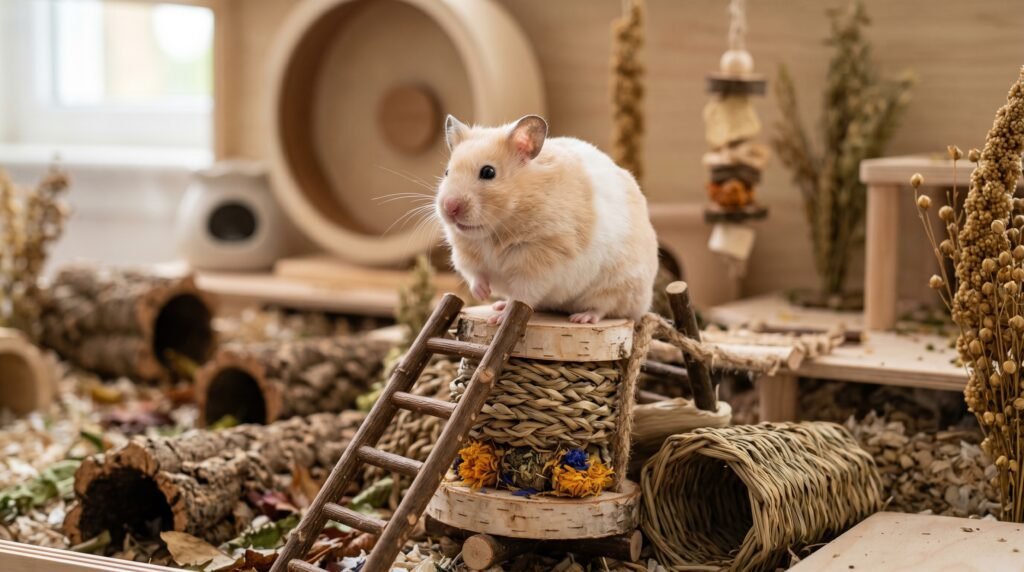
Breeding hamsters is a labor of love. It requires the patience of a saint, the precision of a scientist, and the heart of an animal lover. We’ve covered everything from the initial “why” to the final “goodbye” when a pup goes to its new home.
Remember, the goal of learning how to breed hamsters is to contribute something positive to the world of small pets. If you do this with integrity, you’ll find it’s one of the most rewarding experiences a pet owner can have. You are ushering in new lives, shaping their personalities, and finding them families who will cherish them for their (admittedly short) lives.
As we look toward the future of pet care in 2026 and beyond, the focus is clear: quality over quantity. Whether you’re a hobbyist or a budding professional, keep your standards high, your cages clean, and your heart open to the wonders of these tiny creatures.
FAQs
How many babies do hamsters usually have?
The litter size varies by species. Syrian hamsters typically have between 6 and 12 pups, though litters of 20 have been recorded. Dwarf hamsters usually have smaller litters, averaging 4 to 8. Always be prepared for the maximum!
At what age can hamsters start breeding?
While they are physically capable as early as 4-5 weeks, this is dangerous. Females should be at least 4 months old before their first litter to ensure they are fully grown and emotionally mature enough to handle motherhood.
Can I leave the father in the cage with the babies?
For Syrian hamsters, never. He will likely be attacked by the mother or may eat the pups. For certain Dwarf species, the father can sometimes stay, but it often leads to “back-to-back” litters, which exhausts the mother.
What do I do if the mother rejects a pup?
If a pup is pushed out of the nest, it is often because the mother senses something is wrong with it. You can try to gently move it back with a spoon (to avoid your scent), but be prepared for the reality that the pup may not survive.
How do I prevent my hamsters from fighting during mating?
Always use neutral territory and supervise the entire encounter. Have a thick glove or a piece of cardboard ready to separate them at the first sign of real aggression. Knowing the female’s heat cycle is the best prevention.